How to Write Your First Resume When You Have No Experience
A step-by-step guide to writing your first resume when you have no idea where to start.
The Blank Page Problem
The hardest part of writing your first resume is not the formatting. It is sitting in front of an empty document and feeling like you have nothing to put on it.
You have never had a "real" job. You do not have bullet points about increasing revenue by 30%. You are not sure whether your part-time retail job counts or what to do with three years of university coursework.
Here is the truth: you have more to work with than you think. You just need to know what belongs on a resume and how to present it.
What Goes on a First Resume
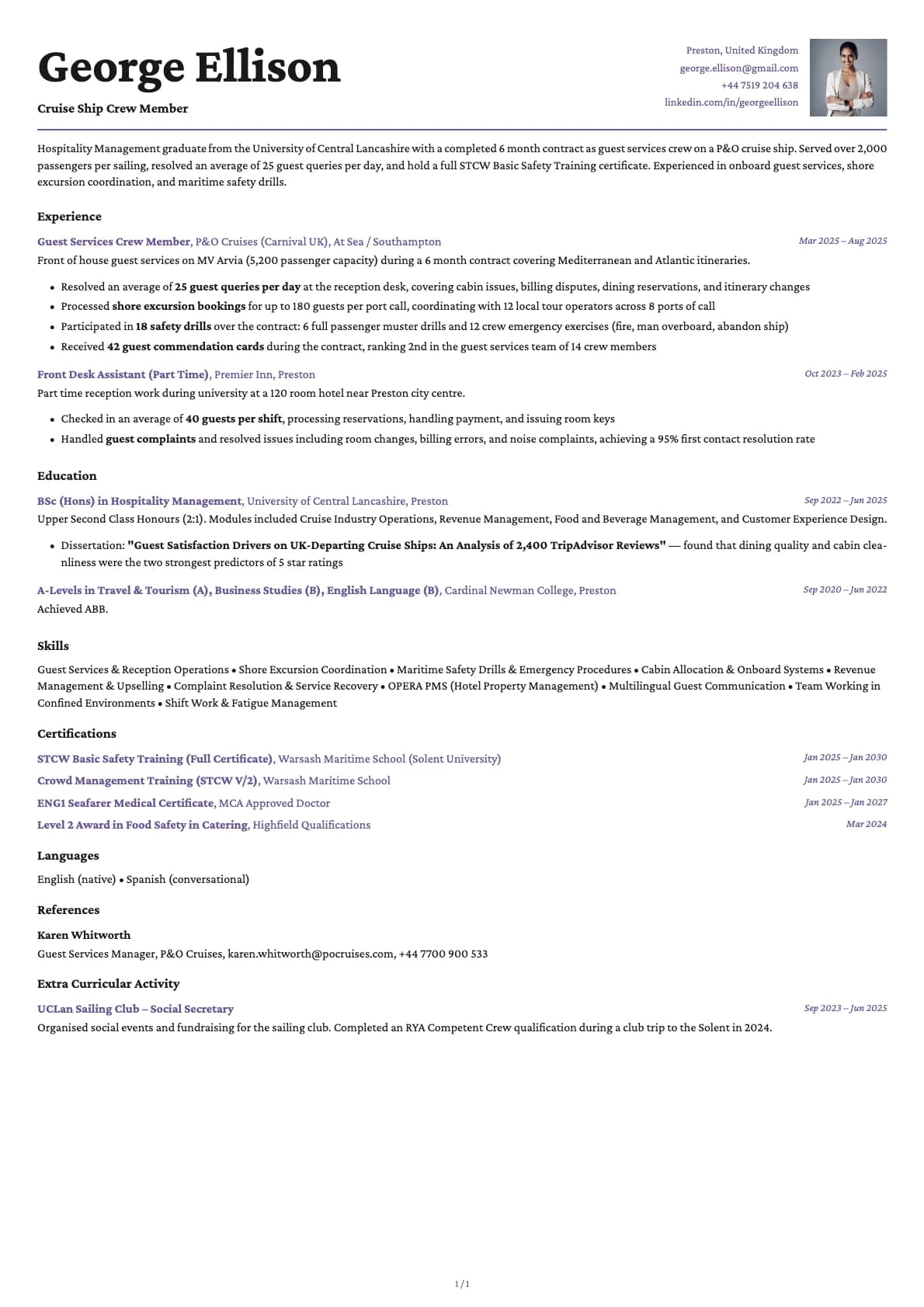
A strong first resume has five sections. You do not need more than one page.
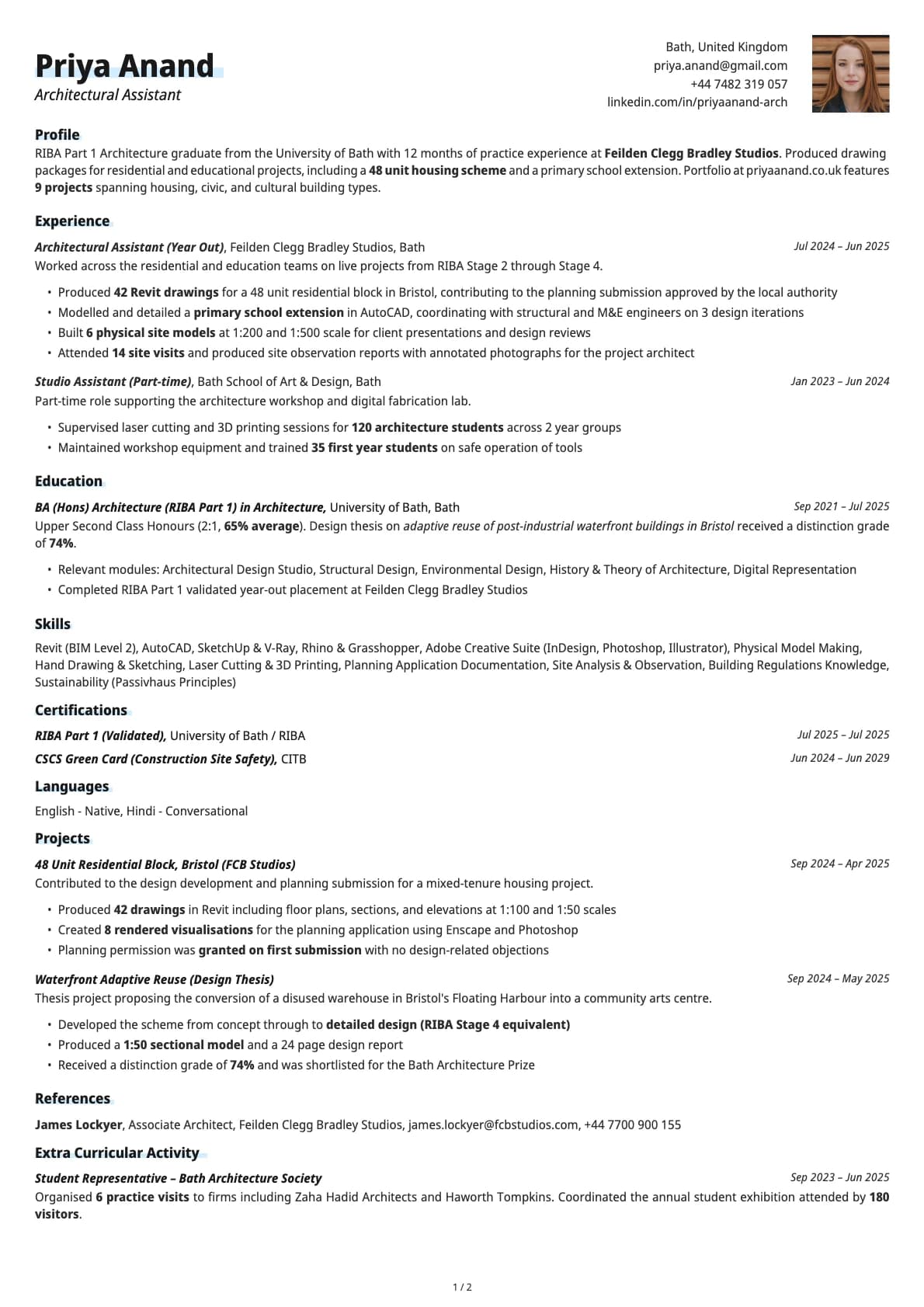
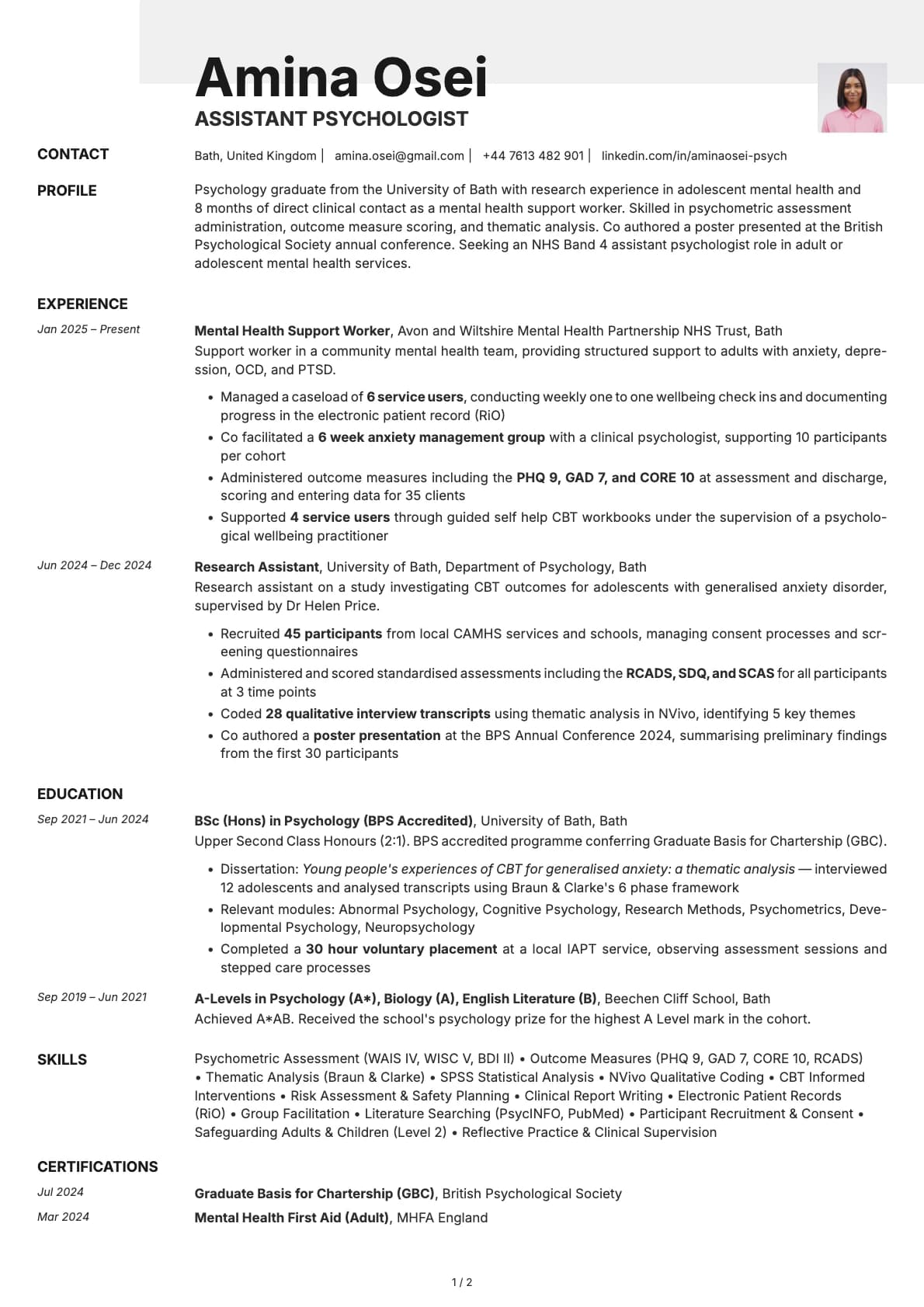
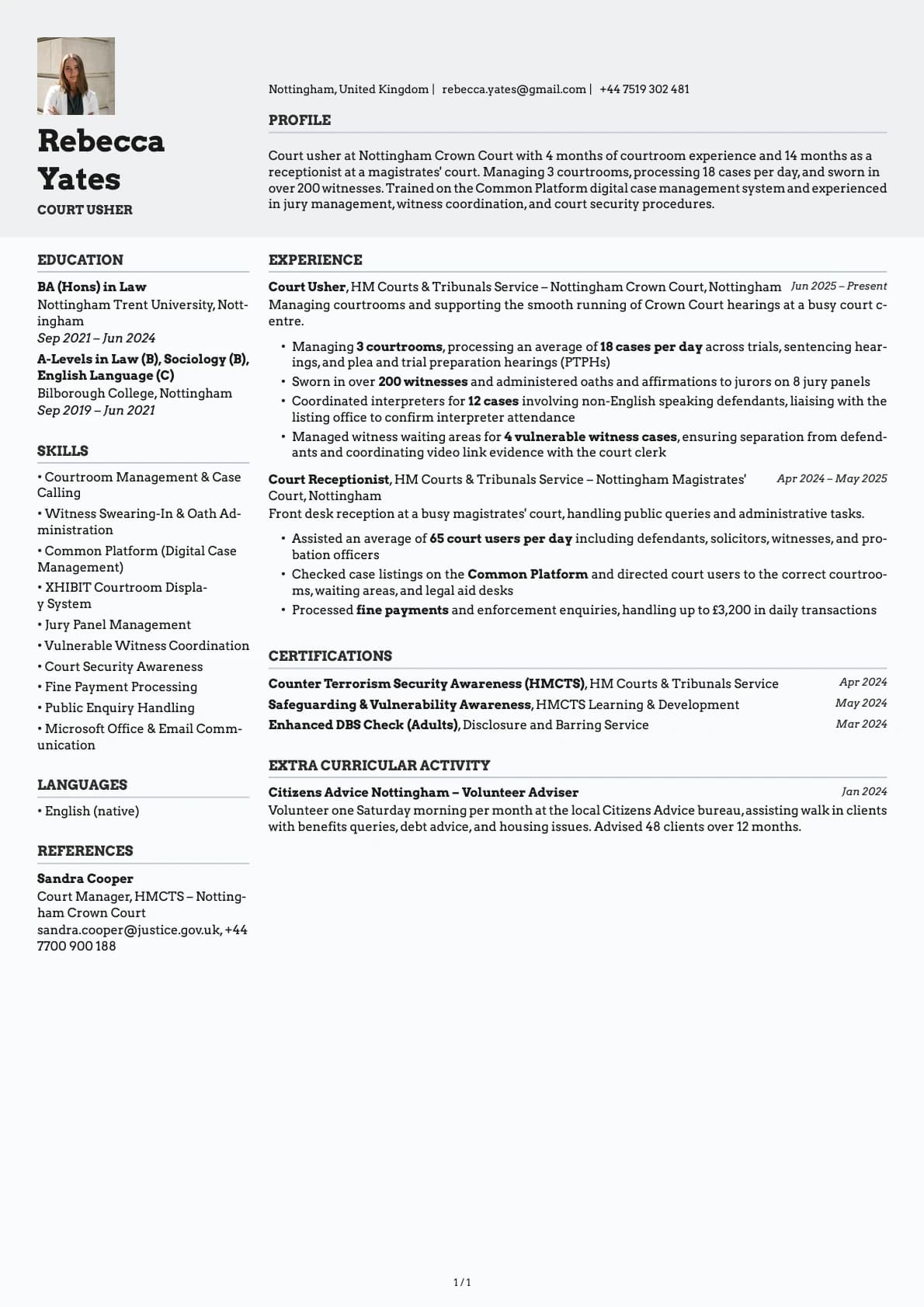
Contact information. Your name, email, phone number, city and country. Add your LinkedIn profile if you have one. Skip your full home address.
Education. Your degree, university name, graduation date (or expected date), and relevant coursework. If your GPA is strong, include it. If not, leave it off.
Experience. This does not have to mean paid employment. Internships, volunteer work, student organization roles, and freelance projects all count. Focus on what you did and what the result was.
Skills. Languages, software, tools, and technical competencies relevant to the roles you want. Be honest. Do not list things you cannot demonstrate in an interview.
Projects or activities. This is where students shine. A thesis project, a hackathon entry, a student club you organized, or a personal project that shows initiative and follow-through.
How to Write Experience When You Have None
This is where most first-time resume writers get stuck. The trick is reframing what you have done in terms of transferable skills.
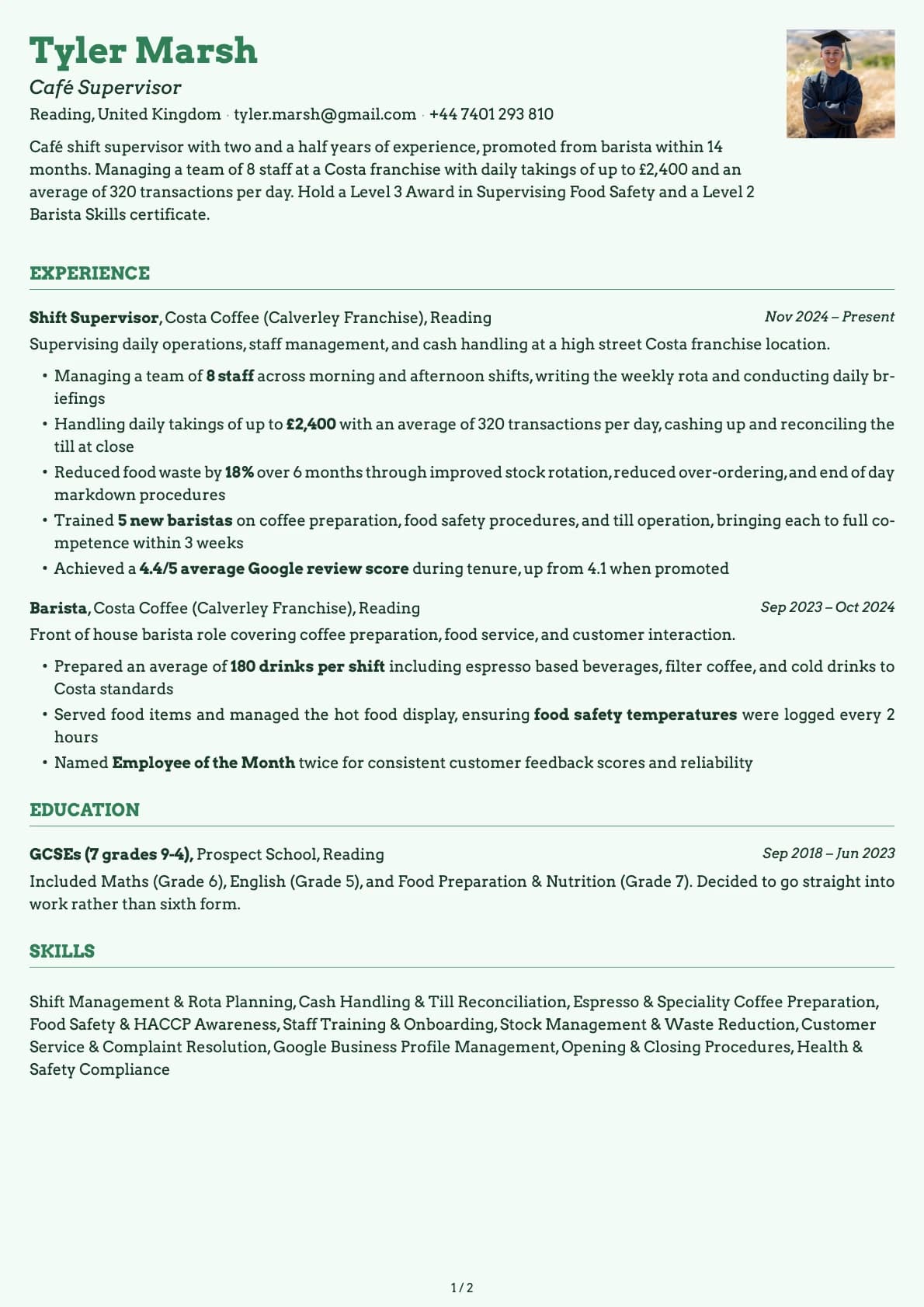
Worked at a coffee shop? You handled customer interactions, managed inventory, and worked under time pressure during peak hours.
Organized a university event? You coordinated logistics, managed a team, communicated with vendors, and delivered a result on a deadline.
Tutored other students? You broke down complex information for different learning styles, tracked progress, and adapted your approach.
The pattern is the same: action, context, and result. Every experience has these elements if you look for them.
Formatting Your First Resume
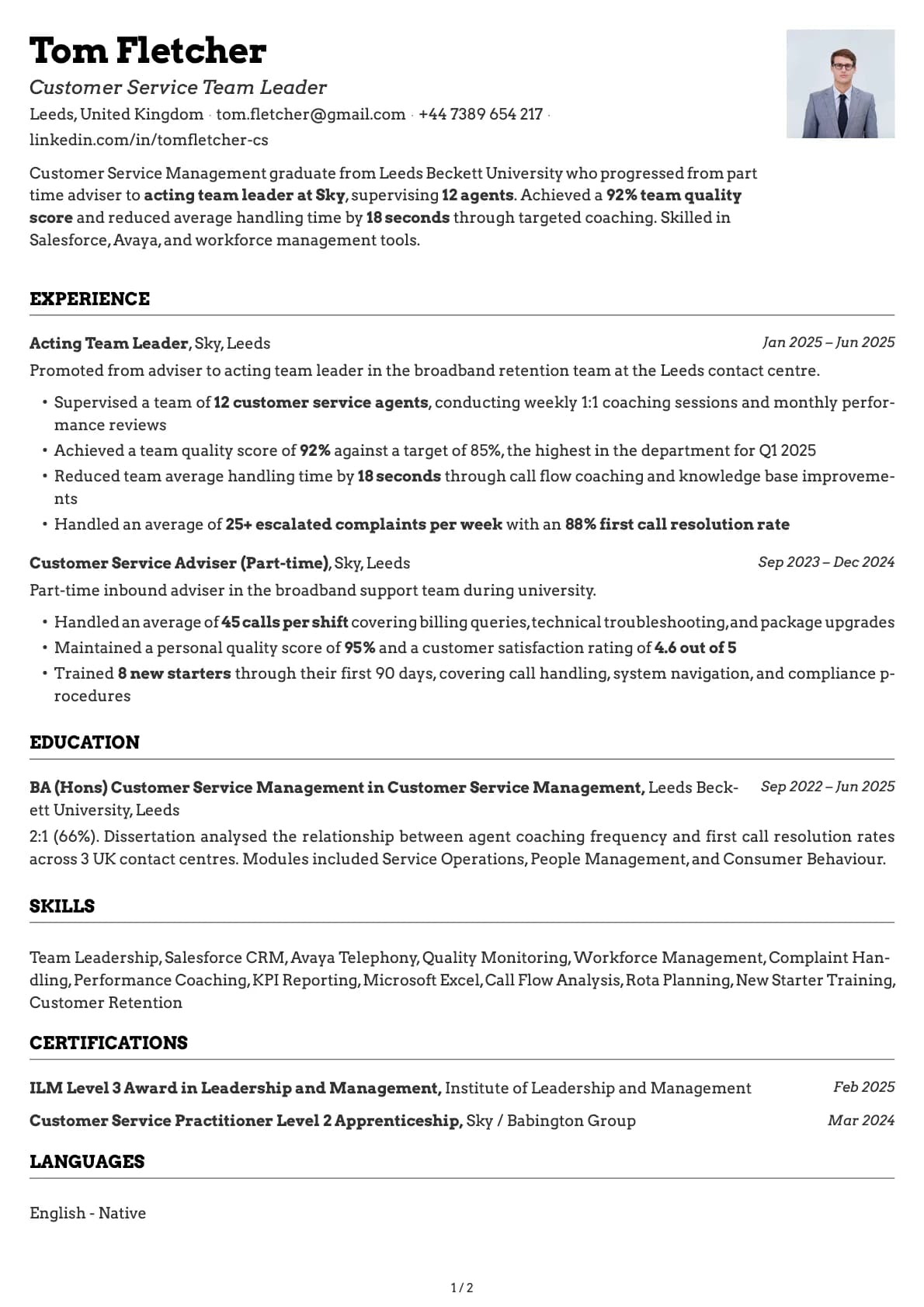
Keep it simple. One page. One column. Clear section headers. No progress bars, no icons, no graphics. Use a professional font and consistent spacing.
Recruiters spend 6 to 10 seconds on a first scan. If your layout is confusing or cluttered, they move on before reading a single word.
ATS (Applicant Tracking Systems) matter even for entry-level jobs. These systems scan your resume for keywords before a human sees it. Creative layouts with columns, tables, or images break the parsing. Stick with a clean, ATS-friendly template.
Common Mistakes on First Resumes
Including a generic objective statement. "Motivated individual seeking a challenging position" tells the recruiter nothing. Either write a specific summary or skip this section entirely.
Listing every class you took. Only include coursework that is directly relevant to the job you are applying for. Three to five courses is enough.
Using vague language. "Responsible for" and "assisted with" are weak. Start every bullet point with a strong action verb: built, organized, managed, designed, analyzed, created.
Including high school details. Once you are in university or have graduated, high school achievements no longer belong on your resume.
Making it longer than one page. For your first resume, one page is not just sufficient, it is expected. If you are padding to fill a second page, you are adding the wrong things.
How Laddro Helps You Write Your First Resume
Laddro's guided builder was designed specifically for people who do not know what to write. Instead of handing you an empty form, it asks you questions one at a time and builds your resume from your answers.
The flow adapts to your situation. If you are a student with no work experience, it focuses on education, projects, and skills. If you have an internship or part-time job, it adjusts the questions accordingly.
You never see a blank page. Every section is built from a conversation, and the result is a professionally formatted, ATS-ready resume you can use immediately.
22+ templates that are tested against ATS systems. 14 languages so you can build in your native language. Free to start with no credit card required.
Ready to Build Your First Resume?
Stop staring at a blank document. Start the guided builder and have a professional resume in one session. No experience required to get started.
Want to see what a good first resume looks like? Browse entry-level resume examples for real-world inspiration.