AI Is Screening Your Resume Before Any Human Sees It
AI screens most resumes before a human ever reads them. 97.4% of Fortune 500 companies run an ATS. This is what that means for you and what you can do about it.

Laddro Team

Time to rip off the band-aid: that resume you spent three hours perfecting last weekend? There's a very good chance no human being has looked at it yet. An algorithm did. And it already made a decision about you.
This isn't some dystopian prediction. It's Tuesday.
The Numbers Don't Lie
A staggering 97.4% of Fortune 500 companies, 487 out of 500, run some form of Applicant Tracking System. Jobscan reverse engineered the career pages of the entire list in June 2026 to arrive at that number. Near universal adoption has been true for a while. What's changed is how smart those systems have gotten.
AI adoption is real, but patchier than the headlines suggest. SHRM's State of AI in HR 2026, based on a survey of 1,722 HR professionals, found that 46% of organizations have adopted AI somewhere in HR, while 54% have not and have no plans to in 2026. Recruiting is the single biggest use case, at 27% of organizations. What really decides it is size: 60% of employers with 5,000 or more staff have AI in HR, against 35% of midsize firms and 33% of small employers. The bigger the company you apply to, the likelier an algorithm reads you first. And it isn't just filing resumes into folders anymore, it's evaluating candidates.
The pitch to employers is compelling. The Josh Bersin Company found that teams automating more than three quarters of their recruiting workflow hire 2 to 3 times faster, although only about 6% of teams get that deep. When you're a company drowning in 300 applications for a single marketing coordinator role, even a fraction of that sounds great.
For you, the job seeker? The game has changed, whether you like it or not.
What AI Screening Actually Does
Old-school ATS systems were basically keyword matchers. They'd scan for "project management" or "Python" and spit out a score. Clunky, but predictable. You could game them by stuffing your resume with keywords.
The new generation of AI screening tools is different. They're parsing context, not just keywords. They're looking at how your experience connects to the role, whether your career progression makes sense, how your achievements compare to other candidates in the pool. Some can even flag inconsistencies or gaps.
That doesn't mean they're perfect. Far from it.
Only 26% of job applicants trust AI to evaluate them fairly, according to Gartner, and honestly, that skepticism isn't unfounded. AI screening tools can inherit biases from the data they were trained on. They can penalize non-traditional career paths. They can miss the nuance that a human recruiter would catch in thirty seconds.
But being frustrated about it doesn't change the reality. You still need to get past the AI to reach the human.
How to Actually Survive the AI Gauntlet
I'm not going to give you some generic "use keywords" advice. You already know that. Here's what actually matters in 2026.
Write for two audiences simultaneously. Your resume needs to satisfy an algorithm AND a human reader. That means clear, scannable formatting with the right terminology baked in naturally. Don't write "Spearheaded synergistic cross-functional paradigm shifts." The AI might not penalize you for it, but the human who eventually reads your resume will roll their eyes into another dimension.
Mirror the job description's language, but don't copy-paste. If the posting says "data analysis," don't get cute and write "data interrogation" because you think it sounds more impressive. AI tools are looking for alignment between your resume and the role. Use their words. Just weave them into genuine descriptions of what you've actually done.
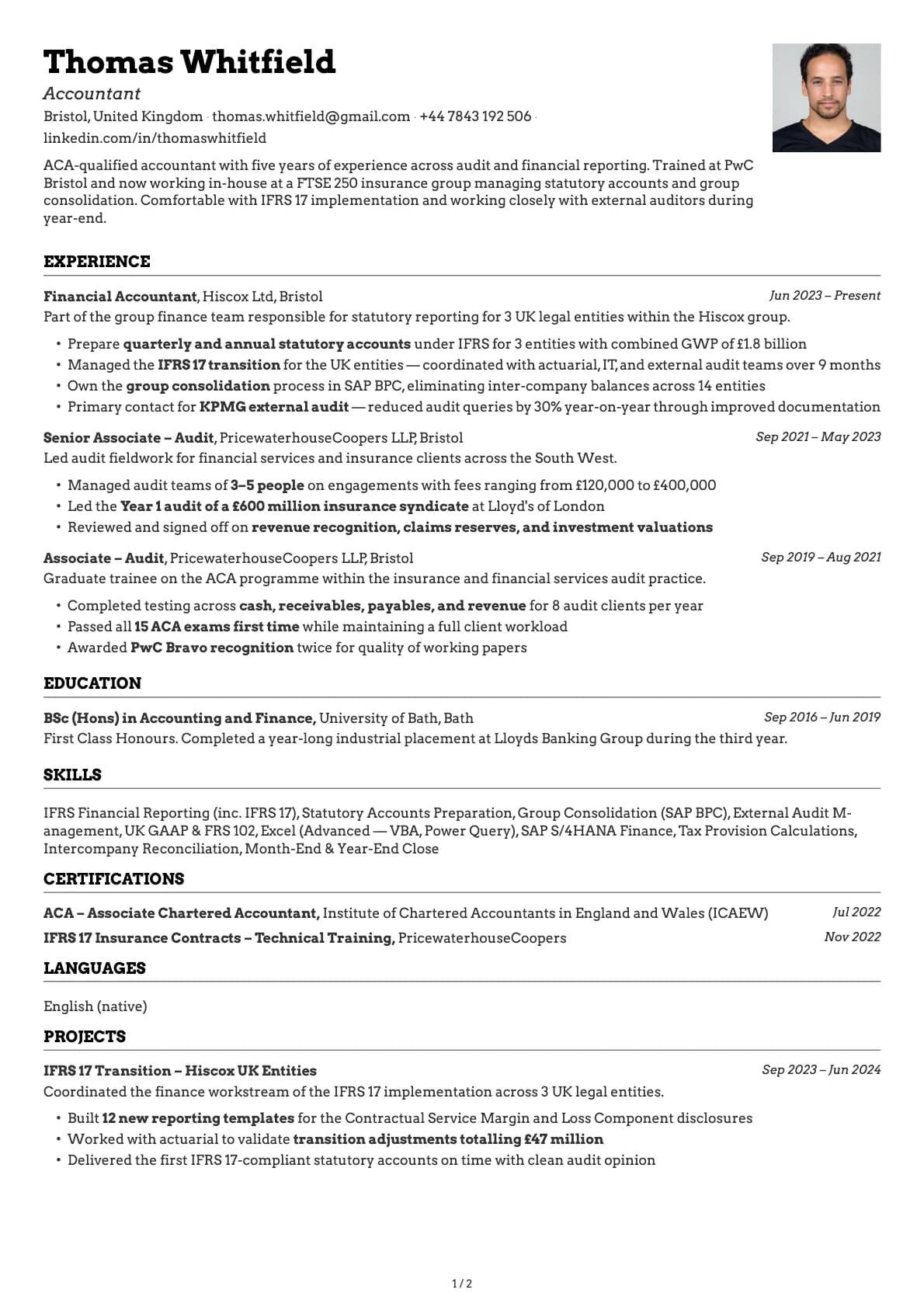
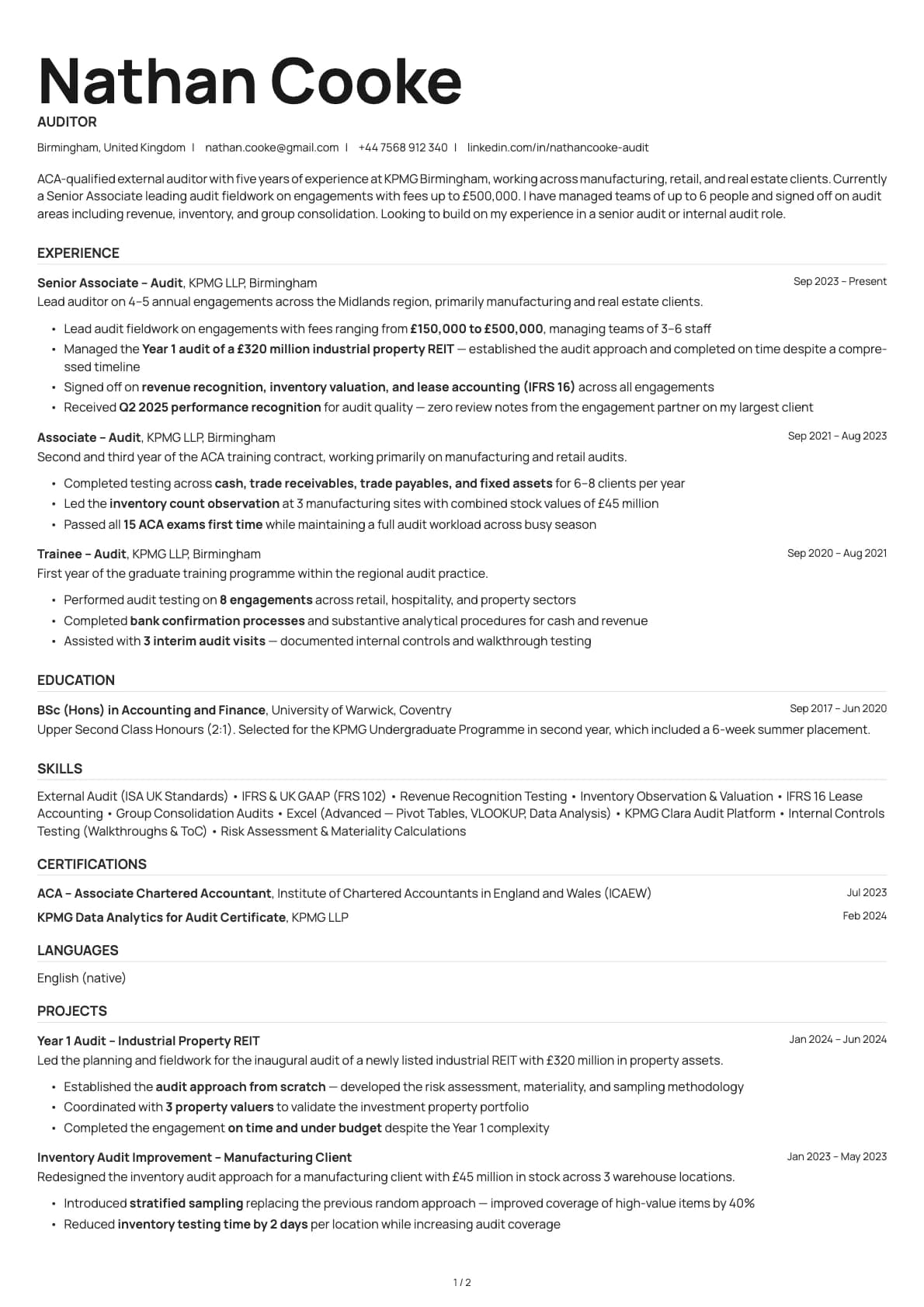
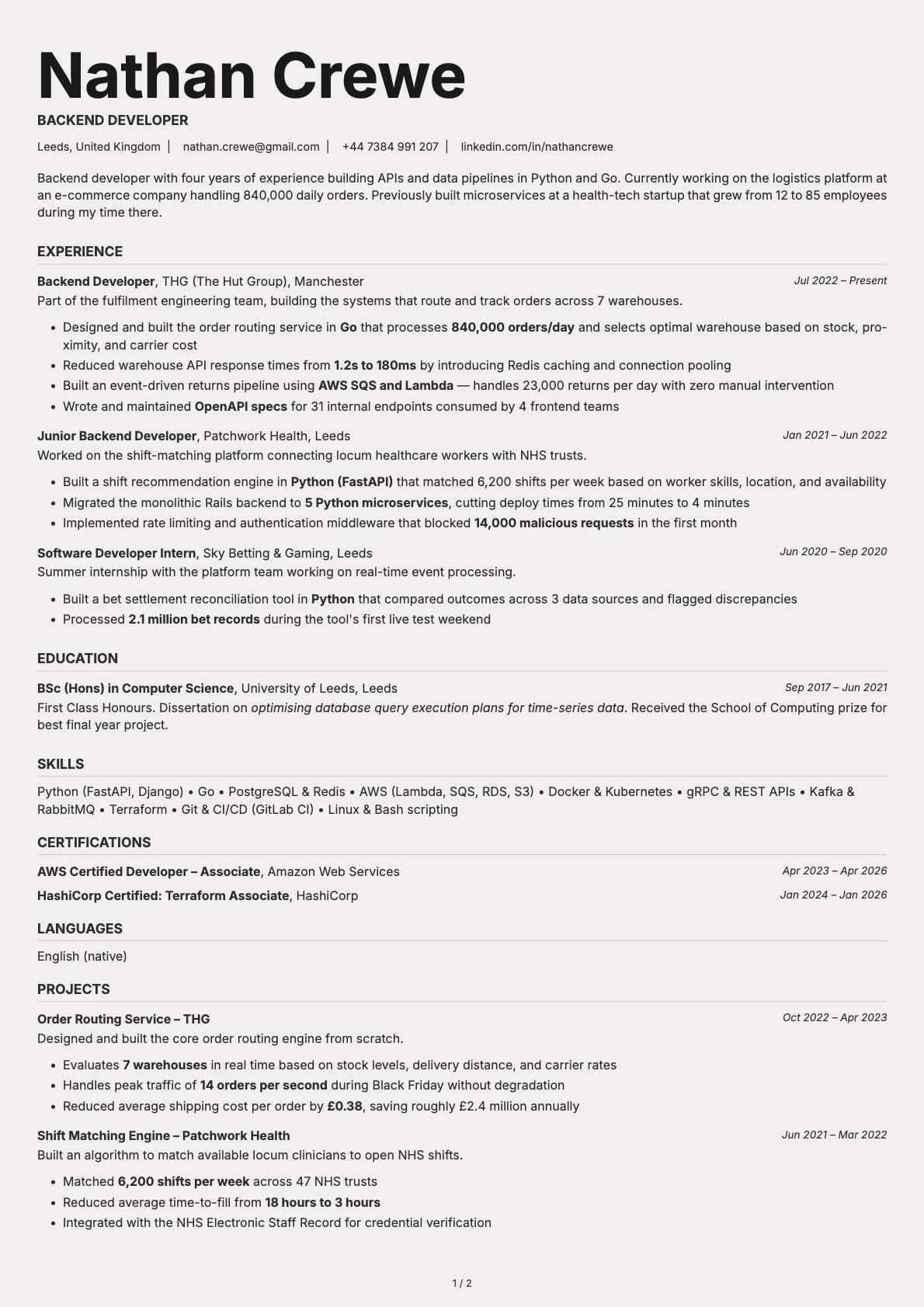
Get your formatting right. This is where a lot of people trip up. AI parsers still struggle with multi-column layouts, text boxes, headers and footers, and overly creative designs. A clean, single-column layout with standard section headings (Work Experience, Education, Skills) gives the AI the best chance of reading your resume correctly.
I've seen beautifully designed resumes get completely mangled by parsing algorithms because the designer prioritized aesthetics over structure.
Quantify everything you can. AI tools are getting better at identifying impact, and numbers are the clearest signal. "Managed social media" tells the algorithm almost nothing. "Grew Instagram following from 5K to 45K in 8 months, driving a 23% increase in website traffic." Now we're talking. That's the kind of specific, measurable achievement that both AI and humans respond to.
Don't try to trick the system. You've probably heard the hack about pasting the entire job description in white text on your resume. First, modern AI catches that. Second, even if it didn't, you'd get to the interview and immediately be exposed. Play it straight.
The Uncomfortable Truth About Fairness
Look, I'd love to tell you the system is fair. It's not. At least not perfectly. AI screening tools are only as good as their training data, and hiring data is riddled with historical biases. Some companies are working hard to audit and improve their AI tools. Others are just plugging in whatever vendor sold them the shiniest demo.
What you can control is how well your resume communicates your actual value. That means being specific, being clear, and being strategic about how you present yourself. Not dishonest. Strategic.
If you have a non-linear career path, don't try to hide it. Frame it. A career change from teaching to UX design isn't a liability. It's a story about empathy, communication skills, and the ability to learn complex new domains. But you have to tell that story explicitly, because the AI isn't going to connect those dots for you.
Where Does This Go From Here?
AI in hiring isn't going away. If anything, it's accelerating. More companies will adopt it, the tools will get more sophisticated, and the screening will happen earlier and earlier in the process.
But there's a silver lining buried in all of this. As AI gets better at screening, it also creates pressure on companies to write better job descriptions, to be clearer about what they actually need, and to evaluate candidates more consistently. The worst hiring processes, the ones based on gut feelings and who-you-know, are the ones AI disrupts the most.
Your job is to make sure your resume clearly, honestly, and compellingly represents what you bring to the table. Format it so the machines can read it. Write it so the humans want to.
That's not a new skill. That's just good resume writing, adapted for the world we actually live in.
Ready to build a resume that actually works in 2026? Try Laddro free and see the difference.
Related examples you might find useful:
- ATS-friendly resume templates
- Technology and engineering resume examples
- Business and finance resume examples
Make your resume AI-proof
Tailor your resume to any job posting with Laddro. It aligns your experience to the role's language so you score higher with AI screeners and ATS filters.
Want to start from scratch? Build a clean, parseable resume for free using templates designed for both algorithms and humans.