How to Find a Job You Actually Love (Not Just One That Pays)
60% of workers worldwide are doing the bare minimum because they feel no purpose in their job. You don't have to be one of them.

Laddro Team

Most people hate their jobs. That's not dramatic. It's a statistic.
Gallup surveyed workers around the world and found that 60% of them are quietly quitting. Doing the bare minimum. Showing up, clocking in, going through the motions. Not because they're lazy. Because their work feels meaningless.
And Pew Research found that only 25% of adults across 17 countries said their occupation actually gave them a sense of meaning. One in four. Think about that in your next all-hands meeting. Three out of four people in that room are there for the paycheck and nothing else.
That's bleak. But it also means that if you figure this out, you're already ahead of most people.
"Follow your passion" is bad advice
I know that sounds contradictory given the title of this post. But hear me out.
"Follow your passion" assumes you already know what your passion is. Most people don't. And the ones who think they do often confuse a hobby they enjoy with work they'd want to do 40 hours a week. Loving photography is different from editing wedding photos at 2am for a client who hates everything you send them.
The better question isn't "what am I passionate about?" It's "what kind of work makes me lose track of time?" Those are different things. Passion is an emotion. Flow is an experience. You can build a career around flow.
Think about the last time you were working on something and looked up and two hours had passed. What were you doing? Were you writing? Solving a problem? Organizing something messy into something clean? Teaching someone? Building something? That's your signal. Not the thing itself, but the type of work underneath it.
The paycheck still matters. Obviously.
I'm not going to tell you to quit your stable job to pursue watercolor painting. Bills are real. Rent is real. Student loans are very real.
But the idea that you have to choose between money and meaning is a false binary that people repeat because it sounds wise. The actual data tells a different story. A University of Michigan study found that people who experienced financial instability started valuing meaning more, not less. When money gets tight, purpose becomes the thing that keeps you going. Without it, you burn out.
The goal isn't to pick passion over paycheck. It's to stop accepting jobs where you get neither.
63% of people who quit their jobs cite low pay as the reason. But the second biggest reason? No room to grow. No sense that the work is going anywhere. People don't just leave for more money. They leave because the money wasn't enough to justify how empty the work felt.
How to actually figure out what you want
This is the part where most career advice gets vague. "Explore your interests." "Try new things." "Journal about your values." Okay, but practically, what does that look like when you have a full-time job and maybe two hours of free time a day?
Start with elimination. You probably know what you don't want better than what you do want. Write down every job you've had and mark the parts you hated. Not the annoying coworker stuff. The actual work. Were you bored by data entry? Drained by client calls? Frustrated by having no autonomy?
Now look at what's left. The stuff that didn't make your hate list. That's closer to what you should be chasing than anything a personality quiz will tell you.
Then talk to people who do work that sounds interesting to you. Not for a job. Just to understand what their Tuesday at 2pm actually looks like. Most people have a completely wrong picture of what jobs actually involve day-to-day. A 20-minute conversation with someone who does the work will teach you more than a month of researching job descriptions online.
Your resume should tell the story you want, not just the story you have
Once you start getting clear on what you want, your resume needs to reflect that direction. Not where you've been. Where you're going.
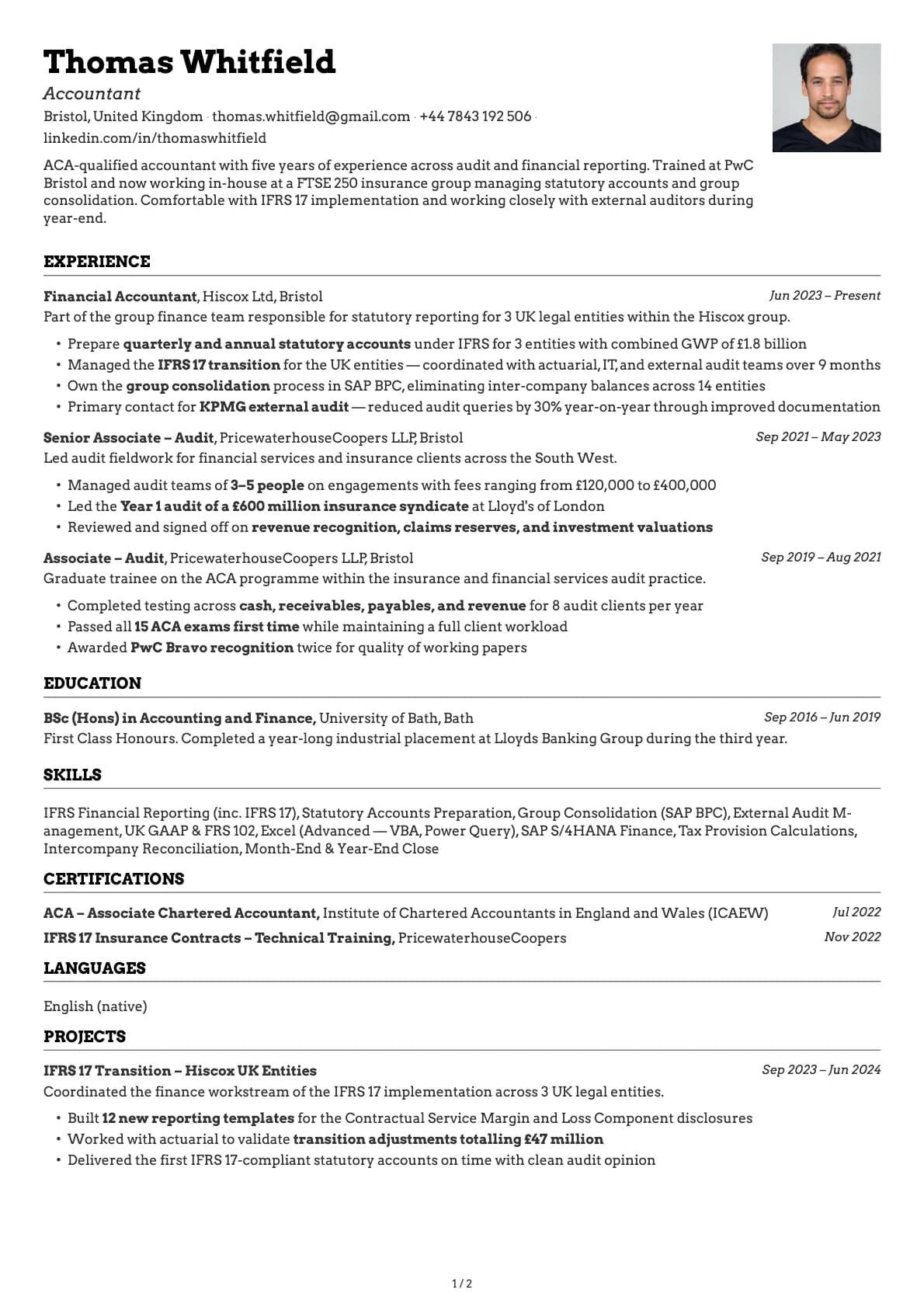
This is where most people get stuck. They have five years of experience in one field and want to move to something different, but their resume reads like a history book. Every bullet point screams "I'm an accountant" when what they want to scream is "I'm a project manager who happens to have accounting experience."
Rewrite your bullets around transferable skills. If you managed budgets, that's resource allocation. If you coordinated with vendors, that's stakeholder management. If you trained new hires, that's leadership. The experience doesn't change. The framing does.
And your summary at the top? That's the most important two sentences on the entire page. It should say who you want to be, not who you were. "Operations professional transitioning into product management" is way more useful to a recruiter than a generic summary about being a "detail-oriented team player."
Stop applying to everything
This is the trap. You're unhappy at work, so you open LinkedIn and start applying to anything that looks vaguely better. You send 50 applications in a week. You hear back from two. You take whatever offer comes first because you just want out.
And six months later you're unhappy again. Because you didn't choose. You just escaped.
Be picky. Apply to fewer jobs. But apply to the right ones. Read the job description like you're reading a restaurant menu, not a terms of service agreement. Does this sound like work you'd actually enjoy doing? Can you picture yourself on a Tuesday at 2pm doing this and not wanting to throw your laptop out the window?
If yes, apply. Customize your resume for it. Write a cover letter that actually connects your story to their mission. Put in the work for the jobs that deserve it.
If no, skip it. Your time is worth more than another generic application that leads to another job you'll want to leave in a year.
It's not about finding the perfect job
Perfect jobs don't exist. Every role has parts that are boring, frustrating, or tedious. The goal isn't zero bad days. The goal is enough good days that the bad ones feel worth it.
Find work where the problems are interesting to you. Where you care about getting better at it. Where Monday morning doesn't fill you with dread. That bar is lower than "follow your passion" but higher than "just pay me." And it's where most happy careers actually live.
Your resume is the bridge between where you are and where you want to be. Make sure it's pointed in the right direction. Build yours with Laddro and start telling the story you actually want to tell.
Related examples you might find useful:
- Technology and engineering resume examples
- Healthcare and medical resume examples
- Marketing and communications resume examples
- Education resume examples
Point your resume where you want to go
Build your resume for free with Laddro. Reframe your experience around the work you actually want, not just the work you've done.
Found a role that excites you? Tailor your resume to that specific job so every bullet point earns its spot.