How to Actually Beat the ATS (Without Keyword Stuffing)
No, you don't need invisible white text or keyword stuffing. 97% of companies use ATS now. This is what actually gets your resume through to a real person.

Laddro Team

Let's get something out of the way right now. If you've ever copied keywords from a job posting, pasted them into your resume in white text, and thought you were outsmarting the system, you weren't. That trick hasn't worked in years. In 2026, it'll actively get your application flagged and tossed. Modern applicant tracking systems are way smarter than that.
But over 97% of Fortune 500 companies and the vast majority of mid-size employers now use some form of ATS to screen resumes before a human ever sees them. That number has been climbing steadily, and it's not going back down. So yes, you need a strategy. You just need the right one.
The Myths That Won't Die
Every few months, some viral post on LinkedIn makes the rounds claiming you can "hack" the ATS with some secret technique. Let me save you some time and debunk the greatest hits.
Myth: Hiding keywords in white text works. It doesn't. Most modern ATS platforms strip formatting and read raw text. Your hidden keywords show up plain as day, and they make you look dishonest. Some systems will auto-reject you for it.
Myth: You need to match every single keyword. You don't. ATS systems typically rank candidates on a spectrum. You're aiming for a strong match, not perfection. Trying to cram in every buzzword from the posting makes your resume read like a word salad. And remember, a human still has to read it after the ATS passes it through.
Myth: The ATS is the final boss. It's not. It's a filter, not a decision-maker. A recruiter still reviews what comes out the other side. So your resume needs to impress both the algorithm and the person.
The Job Description Is Your Keyword Map
The real strategy is honestly not that complicated. Take the job description and read it carefully. Not skim it. Actually read it. Look for the hard skills, specific software, methodologies, and certifications they mention. These are your target keywords.
Now compare that list against your resume. Where are the gaps? If they're asking for "Salesforce" and you've used Salesforce for three years but never put it on your resume, that's a keyword gap. If they mention "Agile methodology" and you've been working in Agile sprints but wrote "collaborative project management" instead, that's a translation problem.
You're not making things up. You're making sure your real experience is described in the language the employer actually uses. There's a huge difference between fabricating skills and accurately representing the ones you have using the terms your target industry recognizes.
A practical approach: for every job you apply to, spend ten minutes mapping the job description's key terms against your resume. Adjust your bullet points to naturally incorporate the ones that genuinely apply to you. Yes, this means tailoring your resume for each application. I know that's annoying. It's also what works.
Formatting: Keep It Boring (Seriously)
This is where a lot of people trip up, especially folks coming from creative fields. Your resume might look stunning with two-column layouts, infographic-style skill bars, and custom icons. The problem? Most ATS platforms can't parse any of that.
What ATS systems handle well:
- Standard section headings: "Work Experience," "Education," "Skills." Not "My Journey" or "Where I've Made Impact." The ATS is looking for conventional labels.
- Reverse-chronological format. This is the gold standard for a reason. ATS systems are built to parse it, and recruiters prefer it. Functional resumes that bury your timeline raise red flags on both sides.
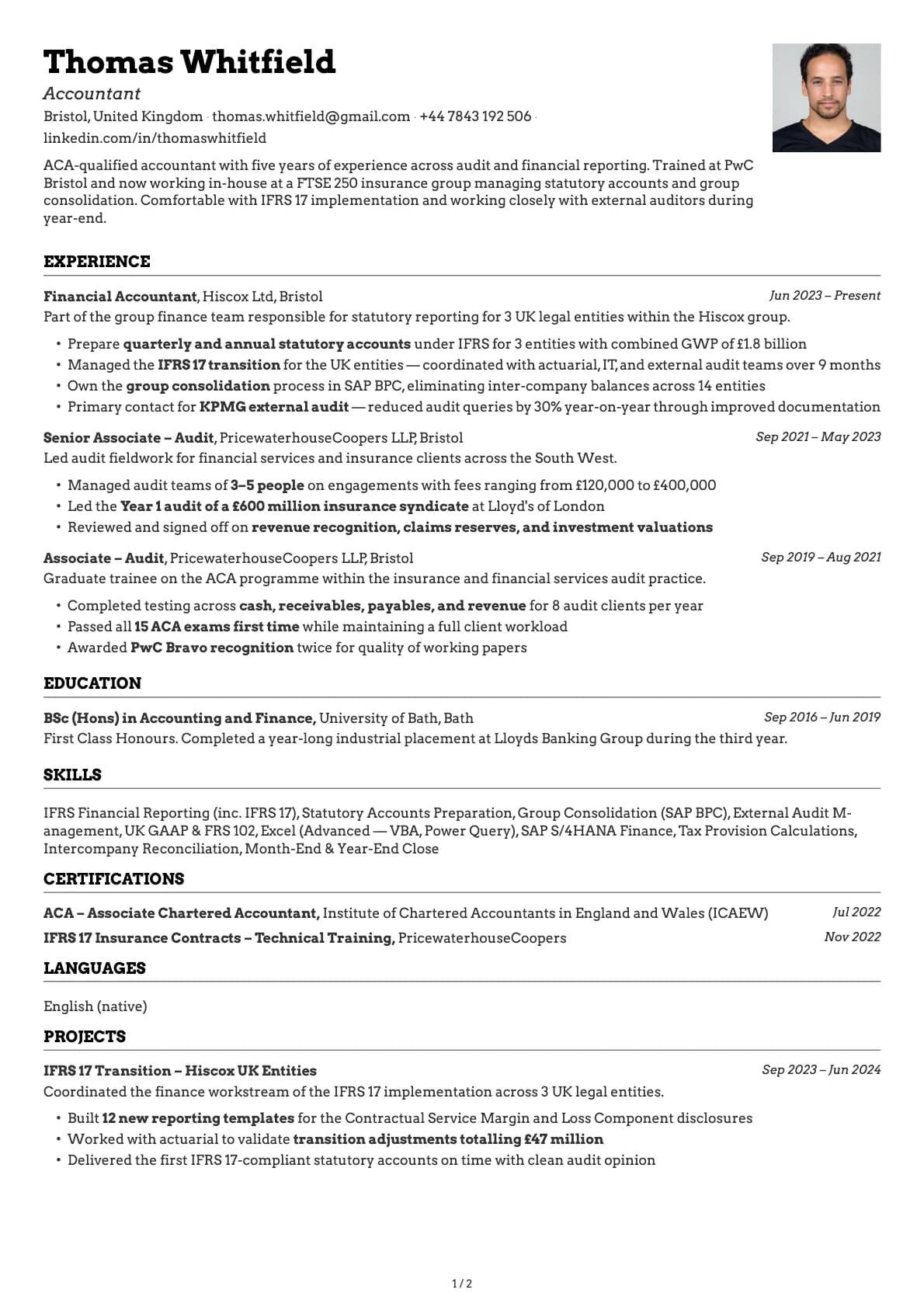
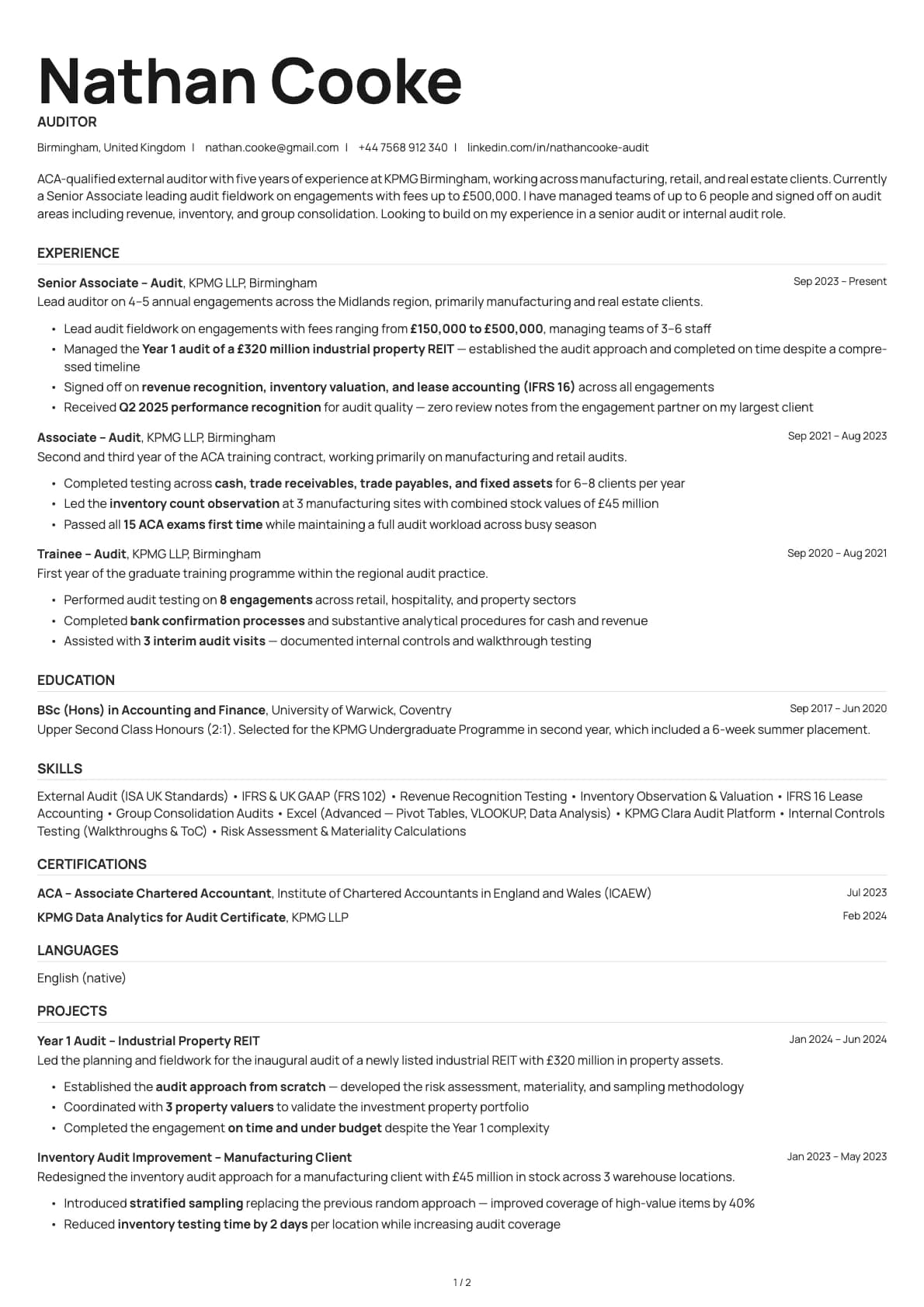
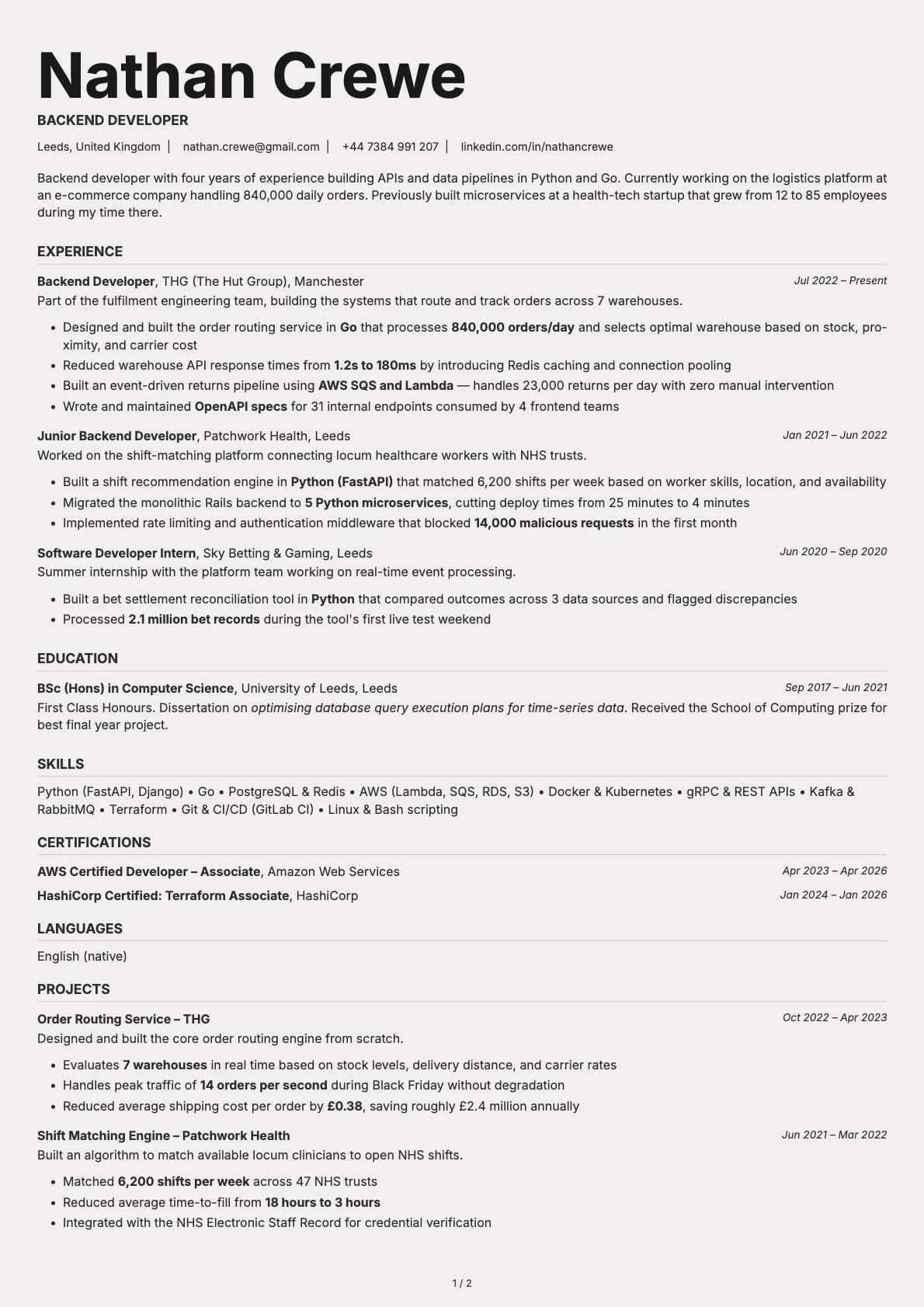
- Simple, single-column layouts. No tables, no text boxes, no columns, no headers or footers with critical information (some systems skip those entirely).
- Standard fonts and file formats. Submit as a .docx or PDF (check what they ask for). Use a normal font. Times New Roman might be boring, but boring is readable.
I know this feels restrictive. Think of it this way: your resume's job isn't to showcase your design skills (unless you're a designer, and even then, save it for your portfolio). Its job is to clearly communicate your qualifications in a format that both machines and humans can easily process.
The Hidden Gotchas
There are a few lesser-known ATS behaviors worth knowing about.
Some systems track your application velocity. If you're blasting out dozens of applications to the same company in a short timeframe, you might get flagged as a spam applicant. Be strategic. Apply to the roles you're genuinely qualified for, not every opening on the careers page.
Also, many ATS platforms auto-reject for missing minimum qualifications. If a posting says "5+ years of experience" and your resume shows three, no amount of keyword optimization will save you. Focus your energy on roles where you meet the core requirements. Stretching a little is fine. Ignoring the requirements entirely is a waste of everyone's time, including yours.
The ATS Bypass Nobody Talks About Enough
Want to know the single most effective way to beat the ATS?
Don't go through it at all.
Employee referrals bypass the ATS at most companies. When someone inside the organization refers you, your resume typically goes straight to the hiring manager or at least gets priority review. Some studies have shown that referred candidates are up to four times more likely to get hired than applicants who come in through the front door.
So while you're optimizing your resume (and you should), also invest time in your network. Reach out to people at your target companies. Not with a cold "can you refer me?" message, but with genuine conversations. Ask about their experience, what the team is like, what challenges they're solving. Build a relationship first. The referral often follows naturally.
Putting It All Together
Beating the ATS in 2026 isn't about tricks or hacks. It's about clarity, relevance, and formatting discipline. Use the job description as your guide. Close your keyword gaps with honest, accurate language. Keep your formatting clean and conventional. And don't neglect the human side. Networking and referrals remain the most powerful shortcut in any job search.
If all of this sounds like a lot to manage on your own, that's because it kind of is. Laddro was built to take the guesswork out of resume formatting. Every template is designed to be ATS-friendly from the start, so you can focus on telling your story instead of worrying about whether a text box is going to eat your work experience. Give it a spin and see how much easier the process gets when the formatting just works.
Related examples you might find useful:
- ATS-friendly resume templates
- Technology and engineering resume examples
- Business and finance resume examples
- Healthcare and medical resume examples
Get past the ATS on your next application
Tailor your resume to any job description with Laddro's AI matching tool. It maps your experience to the posting and closes keyword gaps for you.
Want to start fresh? Browse 22+ ATS-friendly templates designed to pass every screening system on the market.