Networking in 2026: It's Not Who You Know, It's Who Knows Your Work
Referrals are 6% of applications but 37% of hires. Cold DMs and card swaps are dead. Real networking in 2026 looks completely different.

Laddro Team

The Word That Makes Everyone Cringe
Say "networking" to most people and watch their face. The slight wince. The half-smile that's really a grimace. Because when most of us hear "networking," we picture a conference room full of strangers exchanging business cards and pretending to care about each other's elevator pitches.
The thing is, networking still works. It works absurdly well, actually. Referrals account for only 6% of job applications, but they're responsible for 37% of all hires. Read that again. If you're referred, you're roughly six times more likely to get hired than if you apply cold. In 2026, hiring managers say networking is even more important now than it was a decade ago, with 86% calling it critical to landing a role.
So networking isn't the problem. The way most people network is the problem.
Stop Collecting People, Start Being Useful
The old networking playbook went something like this: go to event, shake hands, connect on LinkedIn, send a message that starts with "I'd love to pick your brain," then wonder why nobody responds.
That approach is dead. And honestly, good riddance.
The people who network effectively in 2026 aren't collecting contacts. They're building a reputation. There's a massive difference. Collecting contacts is about what you can extract from people. Building a reputation is about what people already associate with your name before you ever reach out.
Think of it this way: would you rather cold-message someone and say "Hi, I'm looking for a role in product management," or have that person already recognize your name because they've seen your comments on three different posts in their feed? The second scenario isn't luck. It's strategy.
The LinkedIn Game Has Changed
LinkedIn is still the center of gravity for professional networking, but the way it works has shifted dramatically. It's no longer a digital Rolodex. It's a content platform. And the people who use it that way are the ones getting opportunities.
What actually moves the needle on LinkedIn in 2026:
Comment before you connect. Leave thoughtful comments on posts from people in your target industry. Not "Great post!" That does nothing. Actual thoughts, questions, or your own related experience. Do this consistently for a few weeks and when you eventually send a connection request, they'll already recognize your name. Members who use this approach are 40% more likely to get a response to cold outreach.
Share what you're learning, not what you've mastered. People connect with honesty, not perfection. A post about a mistake you made in a project and what it taught you will get more engagement than a polished humble-brag about your latest achievement. You don't need to be an expert to share. You just need to be genuine.
Stop sending connection requests with no context. If your request doesn't include a note about why you want to connect, most people will ignore it. Mention a specific post of theirs, a shared interest, or a mutual connection. Make it easy for them to say yes.
Your Existing Network Is Probably Enough
Something most people overlook entirely: you probably already know enough people to find your next job. You just haven't talked to them.
Before chasing new connections, go through the people you already know. Former colleagues, classmates, people you've worked with on side projects, your old manager from two jobs ago. Warm connections convert to opportunities at a dramatically higher rate than cold ones. A quick "Hey, it's been a while. I'm exploring new opportunities in [field] and thought of you" is all it takes.
Most people skip this step because it feels awkward.
It's not awkward. It's human. People generally like helping people they know, especially when you make it easy for them to do so. Don't ask for a job. Ask for a conversation. "I'd love to hear about what your team is working on" is a hundred times more effective than "Do you have any openings?"
Show Up in Person (Yes, Really)
I know, I know. We're all comfortable behind our screens. But the data doesn't lie: professionals who attend at least one industry event per year are 68% more likely to receive an unsolicited recruiter outreach in the following twelve months. Sixty-eight percent.
That could be a conference, a local meetup, a panel discussion, or even a casual industry dinner. The bar isn't high. You don't need to speak on stage or work the room like a politician. Just show up, ask questions, and have real conversations with a handful of people.
The value of in-person networking is that it collapses the trust timeline. Someone who meets you for ten minutes at a coffee chat will remember you better than someone who's seen your LinkedIn profile a dozen times. Both matter, but the combination is where things get powerful.
The Referral Is the Resume Shortcut
Let's be blunt: the best way to get your resume seen is to not rely on the application portal at all. A referral puts your resume directly in front of a hiring manager, often bypassing the ATS entirely.
But referrals aren't a favor you ask for. They're an outcome of relationships you've built. Nobody refers someone they don't trust. Nobody sticks their neck out for a stranger who sent them a LinkedIn message two days ago. Referrals are the result of months or years of being someone who's visible, helpful, and easy to vouch for.
That's what modern networking really is. It's not working a room. It's working on your reputation, consistently, so that when someone in your network hears about an open role, your name is the first one that comes to mind.
Start Before You Need It
The biggest networking mistake people make is waiting until they need a job to start networking. By then, you're already behind.
The best time to build your network was six months ago. The second-best time is right now.
Even if you're happily employed, stay visible. Comment on posts. Grab coffee with a former colleague once a quarter. Attend one event a year. These small investments compound in ways you can't predict. And when the time comes, whether by choice or by surprise, you'll have a network that's ready to catch you.
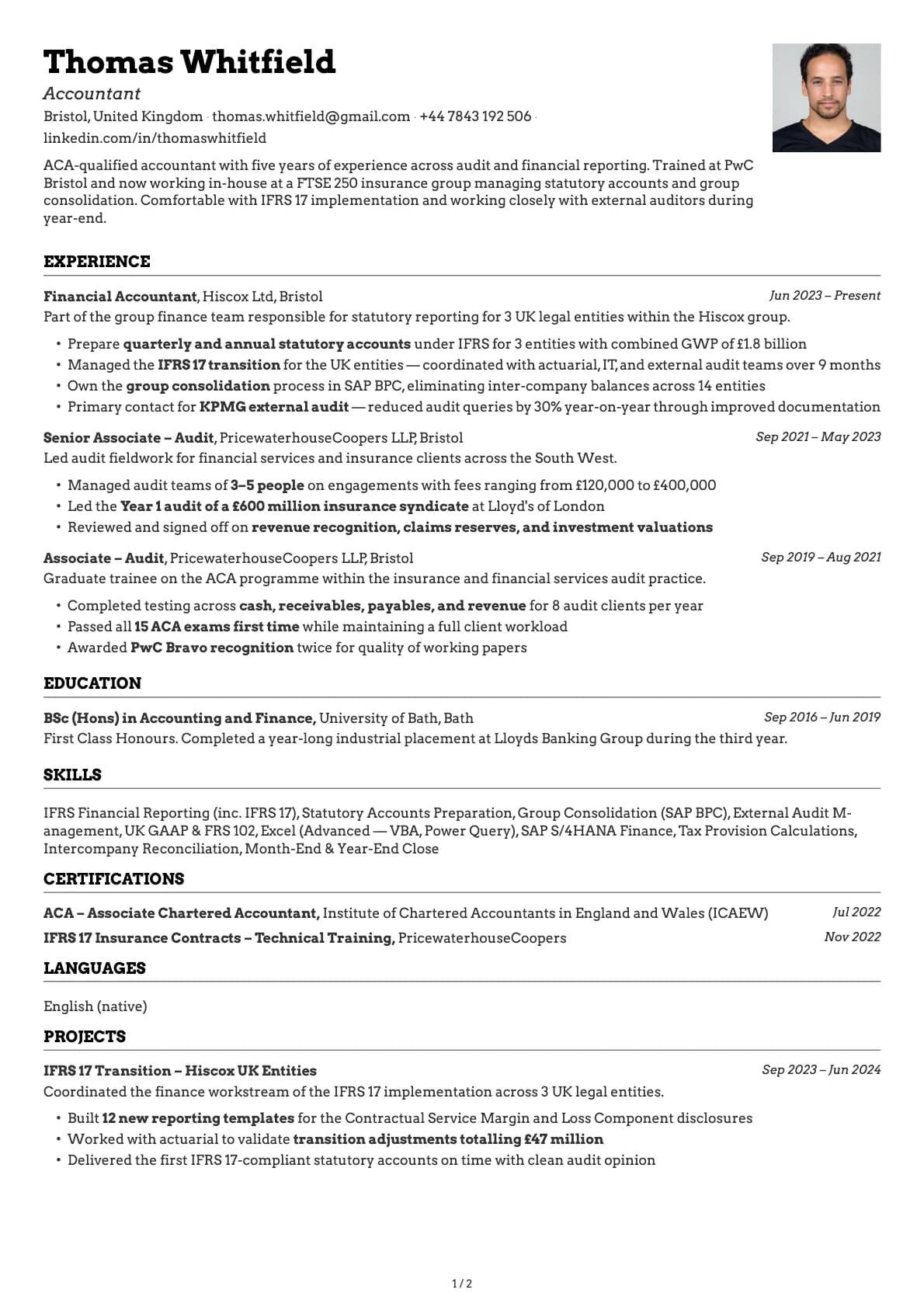
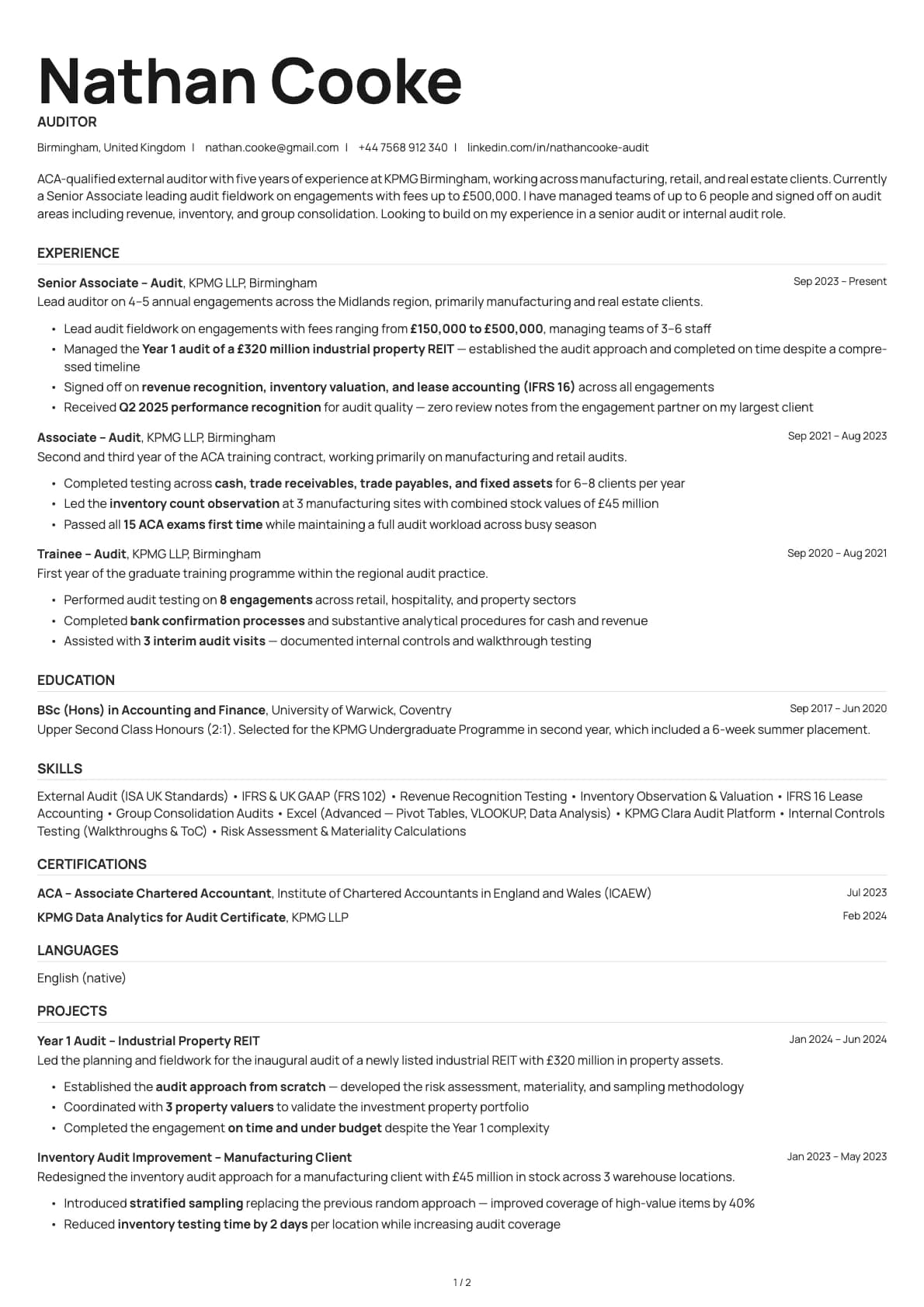
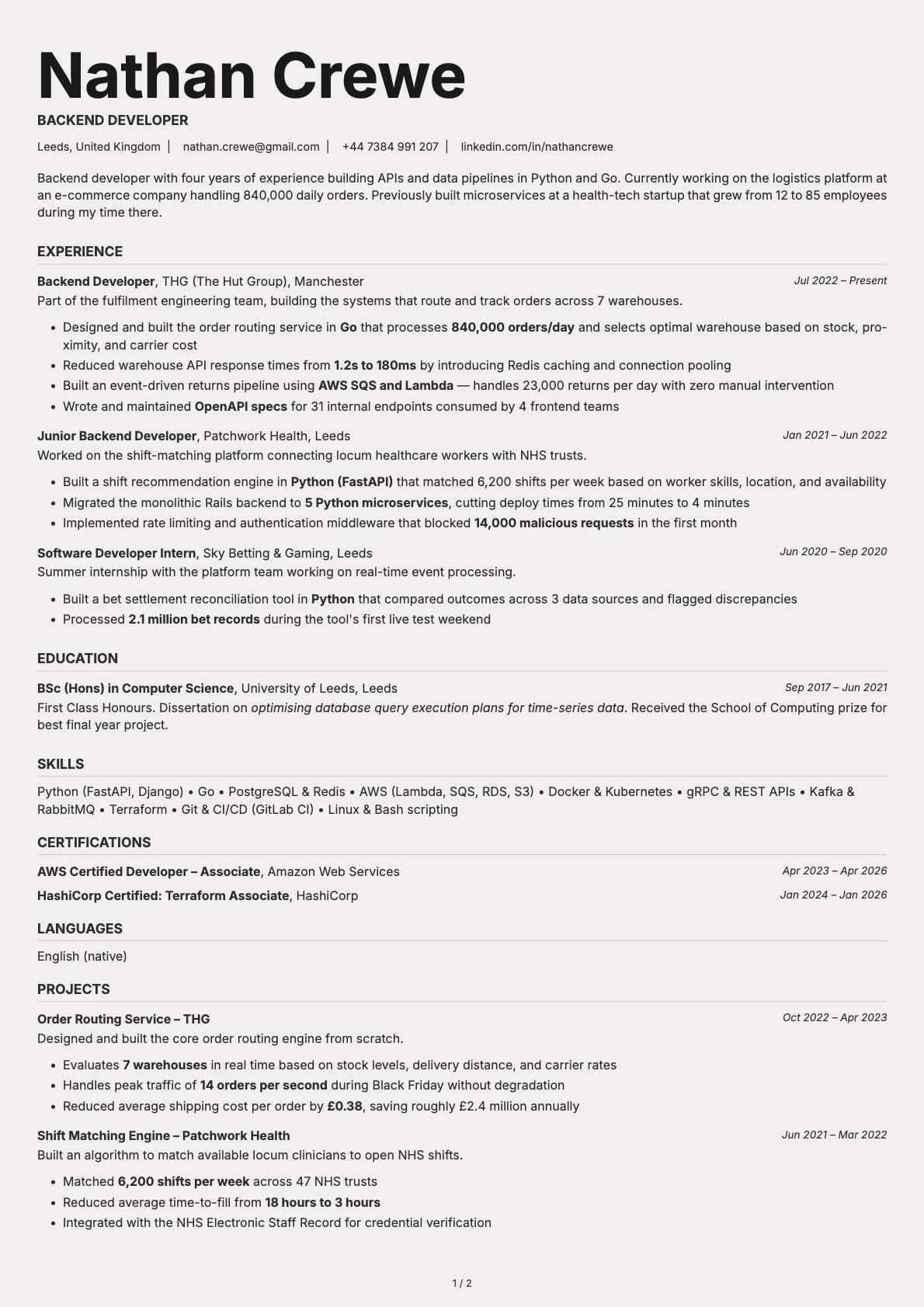
Your network gets you in the room. Your resume seals the deal. Make sure both are working for you. Build yours with Laddro and have something worth sharing when opportunity calls.
Related examples you might find useful:
- Resume examples by industry
- Cover letter examples by industry
- Technology and engineering resume examples
Be ready when your network opens a door
Build your resume for free with Laddro. Have something polished and current ready to share the moment someone says "send me your resume."
Need a cover letter too? Generate one from any job posting in seconds, so you can follow up fast.