Remote, Hybrid, or Office? How to Position Your Resume for Any Work Model
The work model wars are far from over. Here is how to position your resume for remote, hybrid, or in-office roles and signal flexibility without selling yourself short.

Laddro Team

The return-to-office headlines are relentless. Meta forced a five-day RTO starting in February 2026. Amazon did it before them. Every week, another CEO is quoted saying in-person collaboration is "essential" or "non-negotiable."
And yet.
55% of workers prefer a hybrid setup. 85% say the ability to work remotely matters more to them than salary. 29% would straight-up leave their job if forced fully in-person.
So we've got a standoff. Companies are pulling one way, workers are pulling another, and if you're job hunting right now, you're caught in the middle trying to figure out what to put on your resume.
Let's sort this out.
The Work Model Picture in 2026
The honest picture. About 30% of companies are expected to require full five-day office attendance this year. That's a real number, and it's growing. The "back to office" movement isn't a bluff.
But that also means 70% of companies are still offering some form of flexibility, whether that's fully remote, hybrid, or flexible schedules. The market hasn't swung all the way back to 2019. It probably never will.
What this means for you: the work model you want is out there. But you need to position yourself strategically depending on what you're going for. A resume targeting a fully remote role at a distributed startup looks different from one targeting a hybrid position at a Fortune 500 company. Not wildly different, but the emphasis shifts.
If You Want Remote Work
Starting with the people who know exactly what they want: fully remote, no commute, work-from-anywhere. You're not alone, and there are plenty of companies hiring for this. But competition for remote roles is fierce because the talent pool is global. You're not competing with people in your city anymore. You're competing with everyone.
Your resume needs to explicitly signal that you thrive in remote environments. Don't just mention it in passing. Build it into your experience descriptions.
Talk about async communication. If you've worked across time zones, say so. "Collaborated with a distributed team across four time zones, using async documentation and recorded Loom updates to maintain alignment without requiring synchronous meetings." That sentence tells a hiring manager you understand how remote work actually functions. It's not just doing your office job from your couch.
Highlight your self-management skills through results, not claims. Nobody believes "self-motivated and disciplined" as a bullet point. But "Independently managed a six-month product redesign, delivering two weeks ahead of schedule with zero missed milestones." That's believable. That's proof.
Mention the tools you use fluently. Slack, Notion, Linear, Figma, Jira, Zoom, Loom, whatever's relevant to your field. Remote-first companies have specific tech stacks, and showing familiarity signals you won't need onboarding on the basics.
If you've been fully remote for a while, consider adding "Remote" as the location for those roles. It normalizes it and immediately tells the reader this isn't new territory for you.
If You Want Hybrid
Hybrid is where most people land, and honestly, it's the trickiest to position for. Every company defines hybrid differently. Some mean two days in office. Some mean "come in whenever your team needs you." Some mean "we say hybrid but we really mean four days in office and we're calling it flexible."
Your resume should signal adaptability. You can work independently and you can collaborate in person. You're not rigid about either mode.
In practice, this means weaving in examples from both worlds. Show that you've led in-person workshops, facilitated on-site client meetings, or managed teams across a mix of remote and co-located setups. At the same time, demonstrate your comfort with digital collaboration and independent project execution.
One subtle but effective move: if you're applying to a hybrid role in a specific city, make sure your location is clear on your resume. "Based in Austin, TX" removes any ambiguity about whether you're local and available for in-office days. Sounds obvious, but I've seen candidates get filtered out because a recruiter couldn't tell where they were located.
Don't explicitly state "seeking hybrid work" in your summary unless you're certain the role is hybrid. You don't want to accidentally signal inflexibility for a role that might lean more toward in-office.
If You're Targeting In-Office Roles
Maybe you actually prefer being in the office. Maybe you're early in your career and want the mentorship that comes with being physically present. Maybe the roles you want are simply in-office and that's fine with you.
Your resume doesn't need to do much special here. In-office is still the default assumption for a lot of hiring managers. But you can lean into some advantages that in-person candidates have.
Emphasize collaborative and in-person experiences. "Facilitated daily standups with a 12-person engineering team" or "Mentored three junior analysts through weekly one-on-one coaching sessions." These read as inherently in-person activities and signal that you value face-to-face interaction.
If you're applying to a company that recently went through a high-profile RTO push, they're probably looking for people who are genuinely on board with in-office culture. Your resume should reflect enthusiasm for collaboration, team building, and the kind of spontaneous interaction that happens in a shared physical space.
The Universal Principles
Regardless of which work model you're targeting, a few things always apply.
Be specific about your location. Whether you're open to relocation, based in a particular metro area, or location-independent, make it clear. Ambiguity on this point costs people interviews.
Tailor for each application. I know this is annoying advice, but it matters more now than ever. A remote-first company and a five-day-office company are looking for different signals, even for the same job title. Adjust your emphasis accordingly. You don't need to rewrite your whole resume. Just tweak the summary and maybe reorder a few bullet points.
Don't lie about your preferences. If you hate the idea of going to an office five days a week, don't apply for a five-day-office role and hope you can negotiate later. You'll end up miserable or job hunting again in six months. Life's too short. Find the arrangement that actually works for you and go after it with a resume that makes the case clearly.
The work model wars aren't ending anytime soon. But you don't have to be a passive participant. Know what you want, position yourself for it, and let your resume do the talking.
Ready to build a resume that actually works in 2026? Try Laddro free and see the difference.
Related examples you might find useful:
- Technology and engineering resume examples
- Business and finance resume examples
- Marketing and communications resume examples
Position your resume for the work model you want
Tailor your resume to any job posting with Laddro. Whether the role is remote, hybrid, or in-office, the tool adjusts your emphasis to match what the employer is looking for.
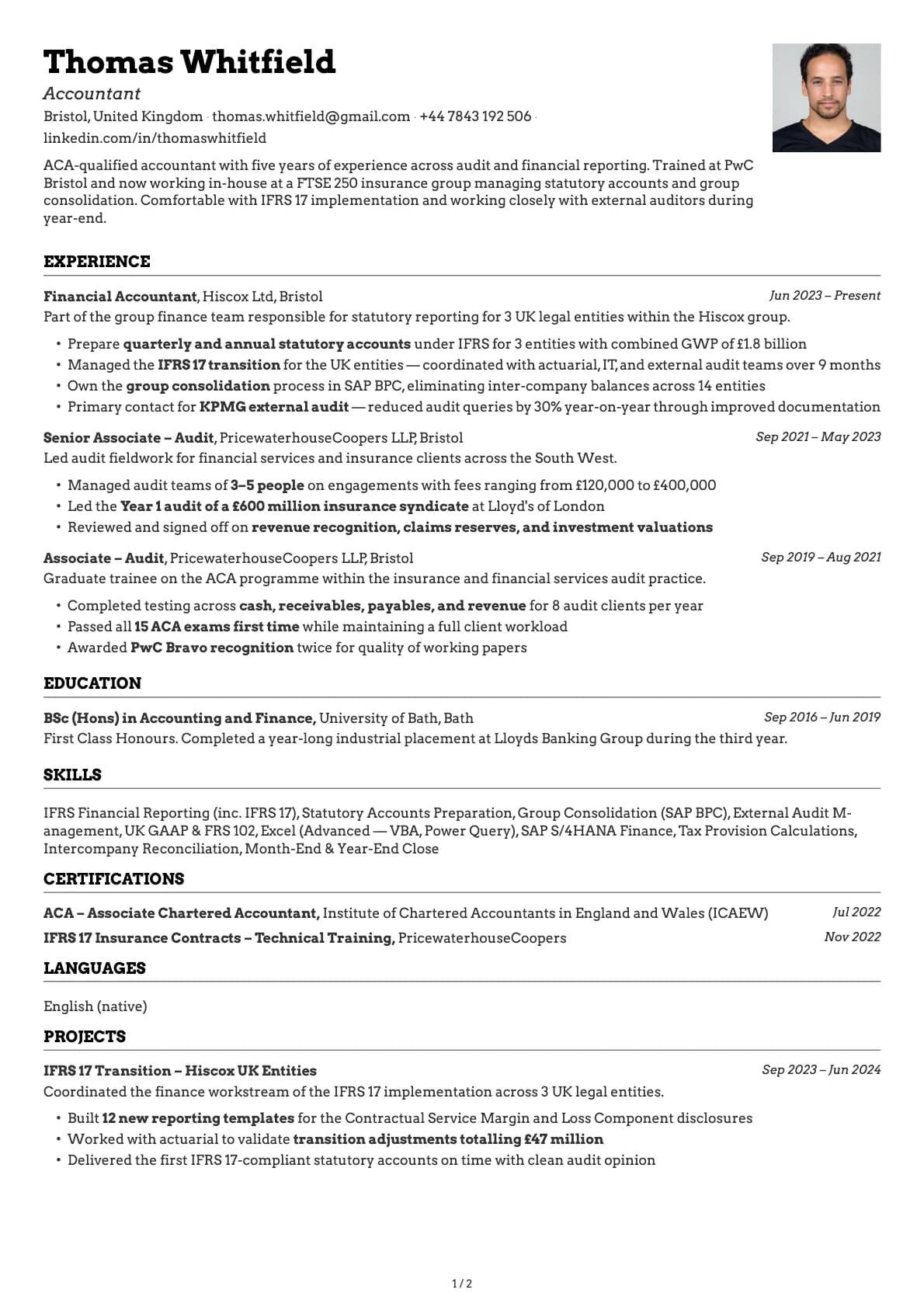
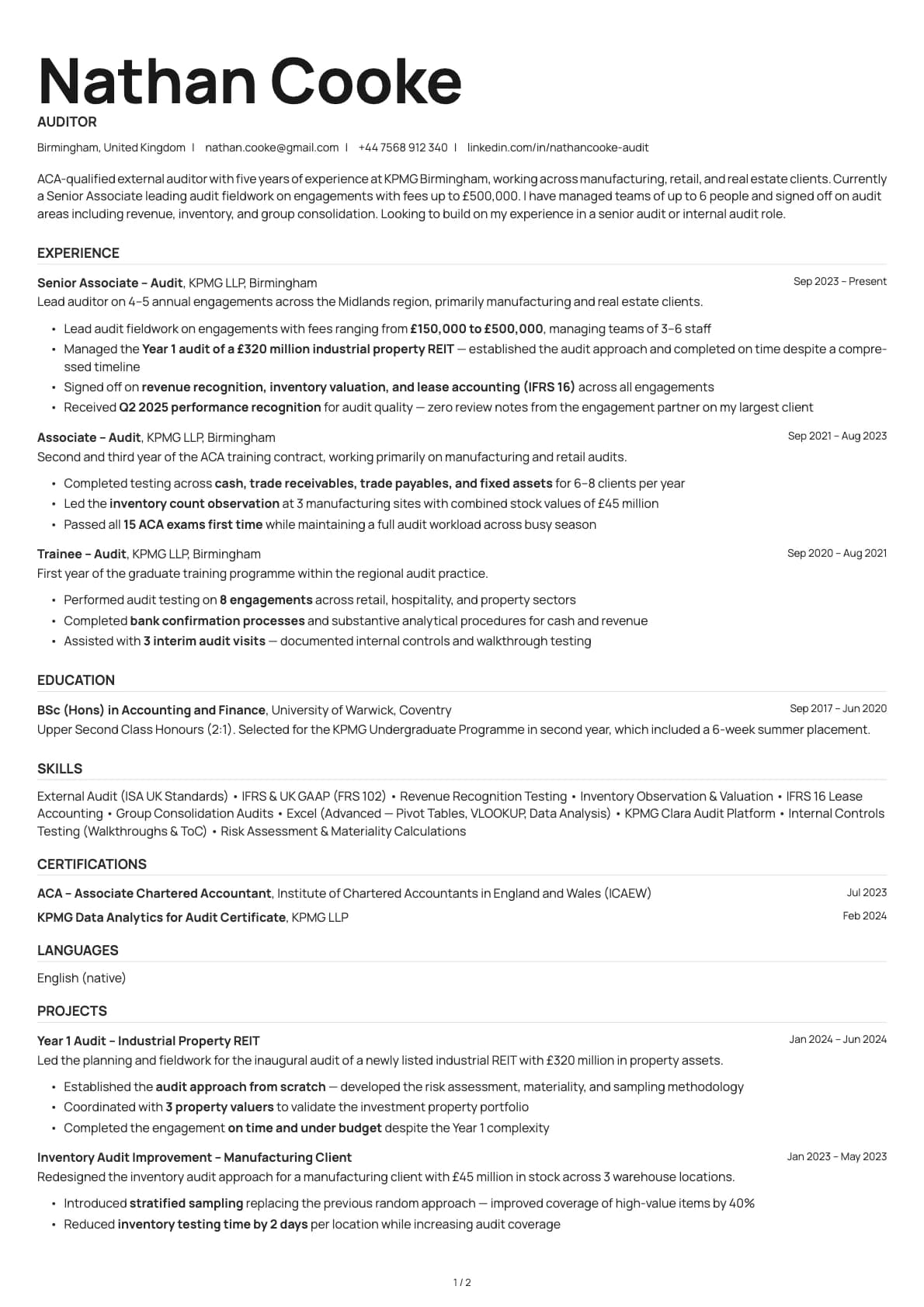
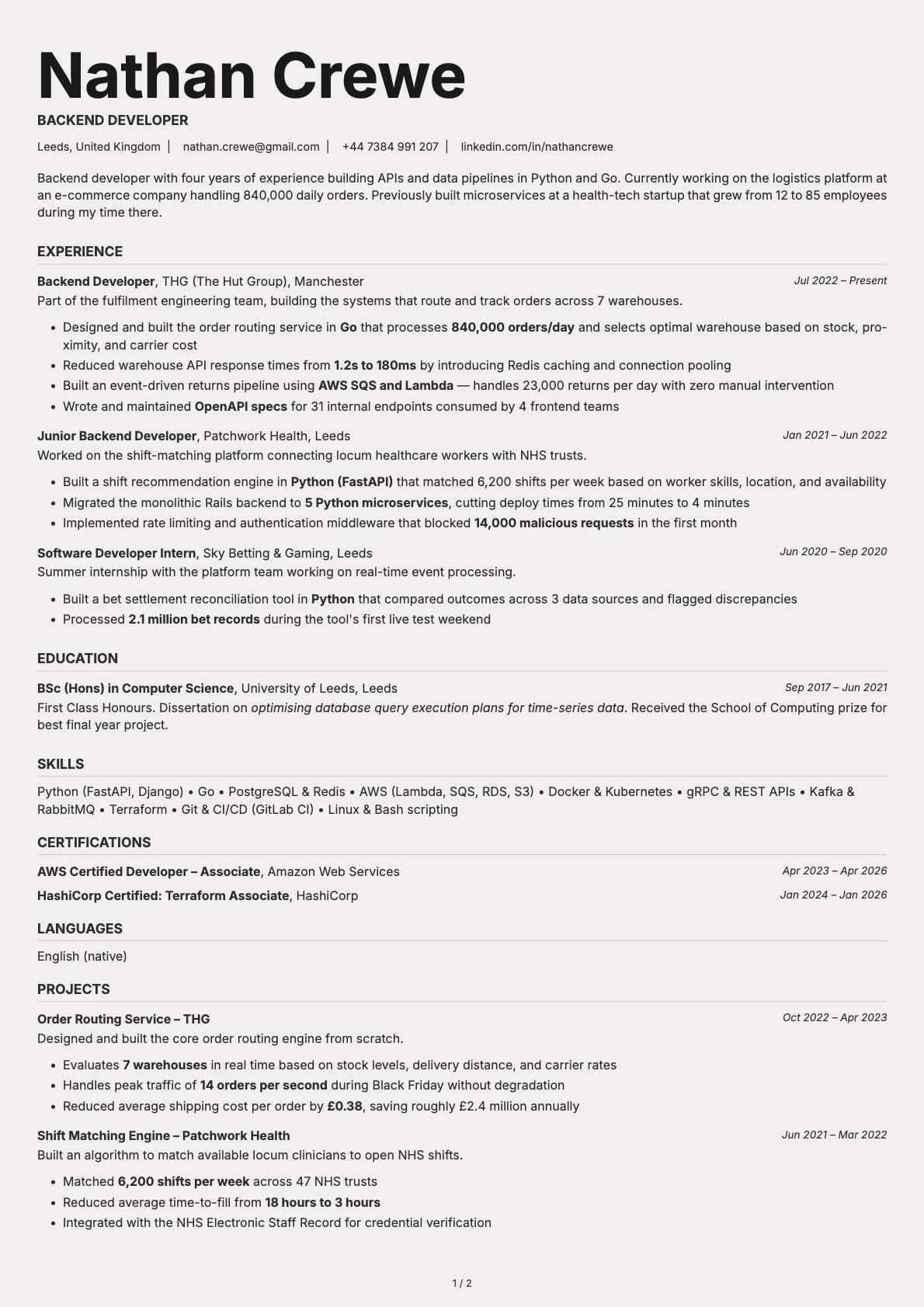
See how others handle it. Browse resume examples for formatting ideas across every work arrangement.