Salary Negotiation in 2026: The Old Playbook Doesn't Work Anymore
The 'just ask for 20% more' advice doesn't work anymore. Pay transparency laws changed the game. Budgets are tighter. You need a different playbook.

Laddro Team

Let me guess. You got the offer, and now you're googling "how to negotiate salary" at 11 PM with your heart racing. You found an article that says "always ask for 20% more" and another one that tells you to "never give the first number." Classic advice. And in 2026? Mostly useless.
The negotiation rules have shifted under our feet. Budgets are tighter. Pay transparency laws have rewritten the playbook. And hiring managers are working with less wiggle room than they had even two years ago. If you walk in with a generic strategy, you're going to leave money, or something even more valuable, on the table.
So what actually works now?
Transparency Changed Everything
The single biggest shift you need to understand: 16 states plus Washington, D.C. now have wage transparency laws on the books. That means salary ranges are posted on job listings. Candidates know the band before they ever shake a hand or join a Zoom call.
This sounds like it should make negotiation easier, right? In some ways it does. You're no longer flying blind. But it also means the employer knows that you know the range. Walking in and asking for 20% above the top of a posted band? That's not bold. That's tone-deaf.
The game now is about positioning yourself within that range, not above it. And the way you do that is with precision, not bluster.
The "Just Ask for More" Era Is Over
Look, 70% of hiring managers still expect candidates to negotiate. That hasn't changed. And 88% of professionals say they feel more confident negotiating once they have an offer in hand. So negotiation itself isn't dead. The lazy version of it is.
In 2026, companies are operating with tighter budgets and more internal pay equity scrutiny. Your hiring manager might genuinely want to pay you more but can't justify it without a concrete reason. "Because I'm worth it" isn't a reason. "Because the market says so" is barely better when the market range is already posted in the job ad.
What works? Tying your ask to three things: scarce skills, direct revenue impact, or operational risk.
That's it. If you can articulate that your specific combination of experience reduces their ramp-up time by three months, or that your expertise in a niche area means they won't need to hire a second contractor, now you've given them ammunition to fight for your number internally.
You're not negotiating against the hiring manager. You're equipping them to negotiate on your behalf with finance and HR.
The 70/30 Rule
Something nobody talks about: the best negotiators barely talk. Seriously.
Aim for a 70/30 split. Listen 70% of the time, talk 30%. When the offer comes in, your first instinct will be to respond immediately. Don't. Ask questions instead. "Can you walk me through how you arrived at this number?" or "What does the total compensation structure look like beyond base?"
Every question you ask gives you information. And information is what turns a negotiation from a coin flip into a strategy.
When you do talk, be specific. Not "I was hoping for something higher" but "Based on my five years managing cloud migration projects and the posted range for this role, I believe $X reflects the value I'd bring in the first year, specifically through Y and Z."
Short. Concrete. Tied to outcomes.
Stop Fixating on Base Salary
This might be the most underrated shift in 2026 negotiations. Base salary has become the hardest number to move. It's locked into pay bands, it compounds over time (which makes finance nervous), and it sets precedent for the whole team.
But you know what's often way more flexible? Everything else.
Signing bonuses are one-time costs, much easier for a company to approve. Extra PTO doesn't even hit the budget the same way. A professional development stipend of $3,000–$5,000 per year? That's a rounding error on most department budgets but it can completely change your career trajectory. Remote or hybrid flexibility? Costs them almost nothing but could be worth $10,000+ to you in commuting costs and quality of life.
I've seen candidates get an extra week of PTO, a $7,000 signing bonus, and a home office budget, all because they stopped hammering on base salary and started asking about the full picture. The total package ended up being worth more than the $8K base bump they originally wanted.
Think of it like this: if the company's hands are tied on base, help them find a different way to say yes.
How to Actually Prepare
This is where most people mess up. They wing it. They think charisma or confidence will carry them through. It won't.
Before any negotiation conversation, you should know three numbers: your floor (the minimum you'll accept and still feel good about it), your target (the number you're genuinely aiming for, with justification), and your walk-away (the point where the opportunity cost isn't worth it).
Research matters more than ever. With transparent salary data available through job postings, Glassdoor, Levels.fyi, and compensation surveys, you have no excuse for going in uninformed. Cross-reference at least three sources. Know what people in similar roles, similar markets, and similar company stages are earning. Our free salary benchmark tool is a fast way to see typical pay for your role and country before you set your target, and the net salary calculator turns each number into the take home pay that actually lands in your account.
And document everything. Your accomplishments, the revenue you influenced, the problems you solved, the skills you bring that are genuinely hard to find. This isn't bragging. It's building a case. The strongest negotiators walk in with a mental dossier, not a vague sense of their own worth.
The Offer Isn't the Finish Line
One more thing people get wrong: they treat the negotiation as a single conversation. It's not. Even after you sign, you should be thinking about your next negotiation, which is your performance review.
Ask during the offer stage: "What does the path to a salary review look like? Is there a six-month check-in?" Get that in writing if you can. If they can't budge on comp today, a guaranteed review timeline with clear benchmarks is worth a lot.
The best career moves aren't just about what you earn on day one. They're about trajectory.
Start with a Resume That Earns the Conversation
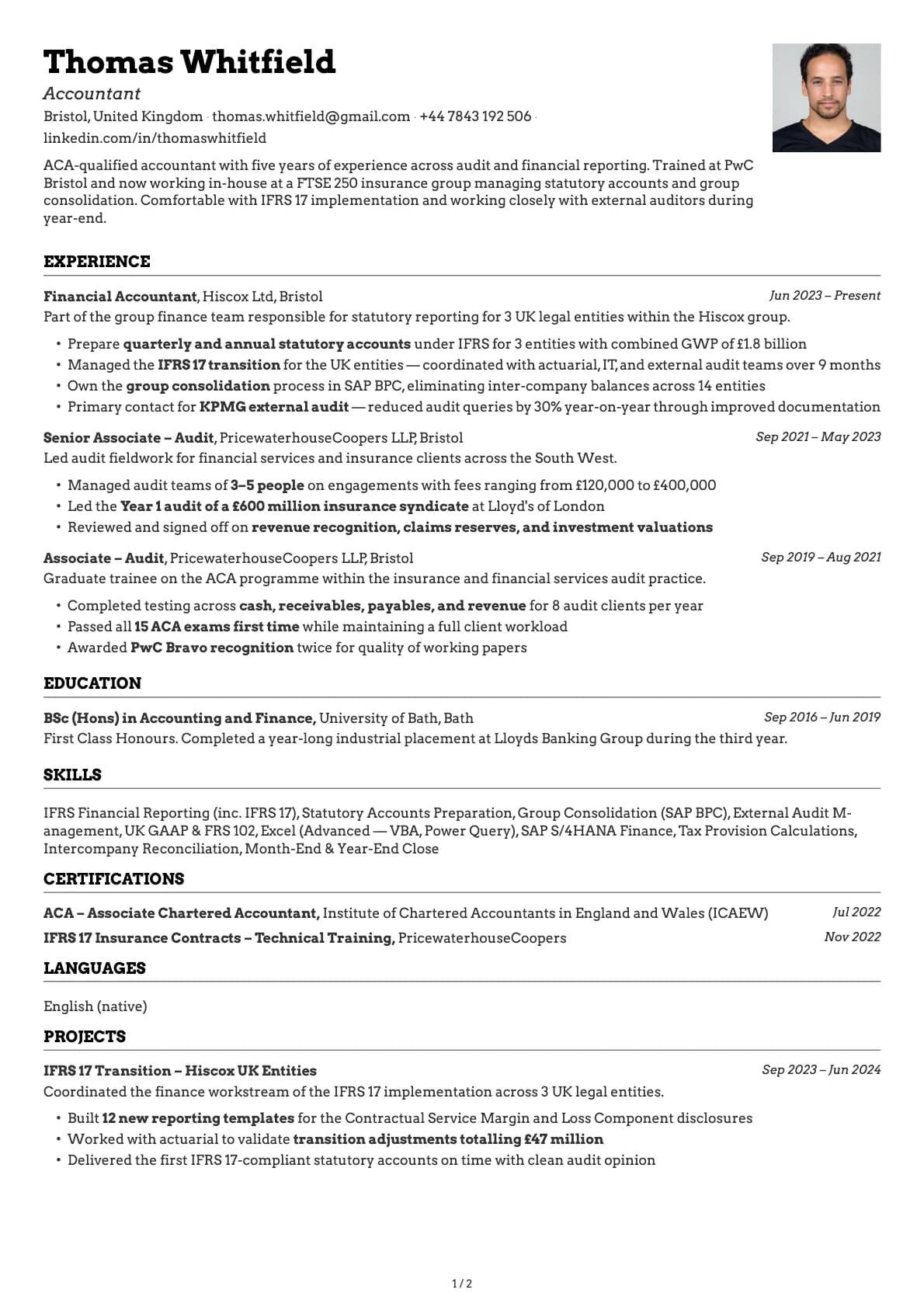
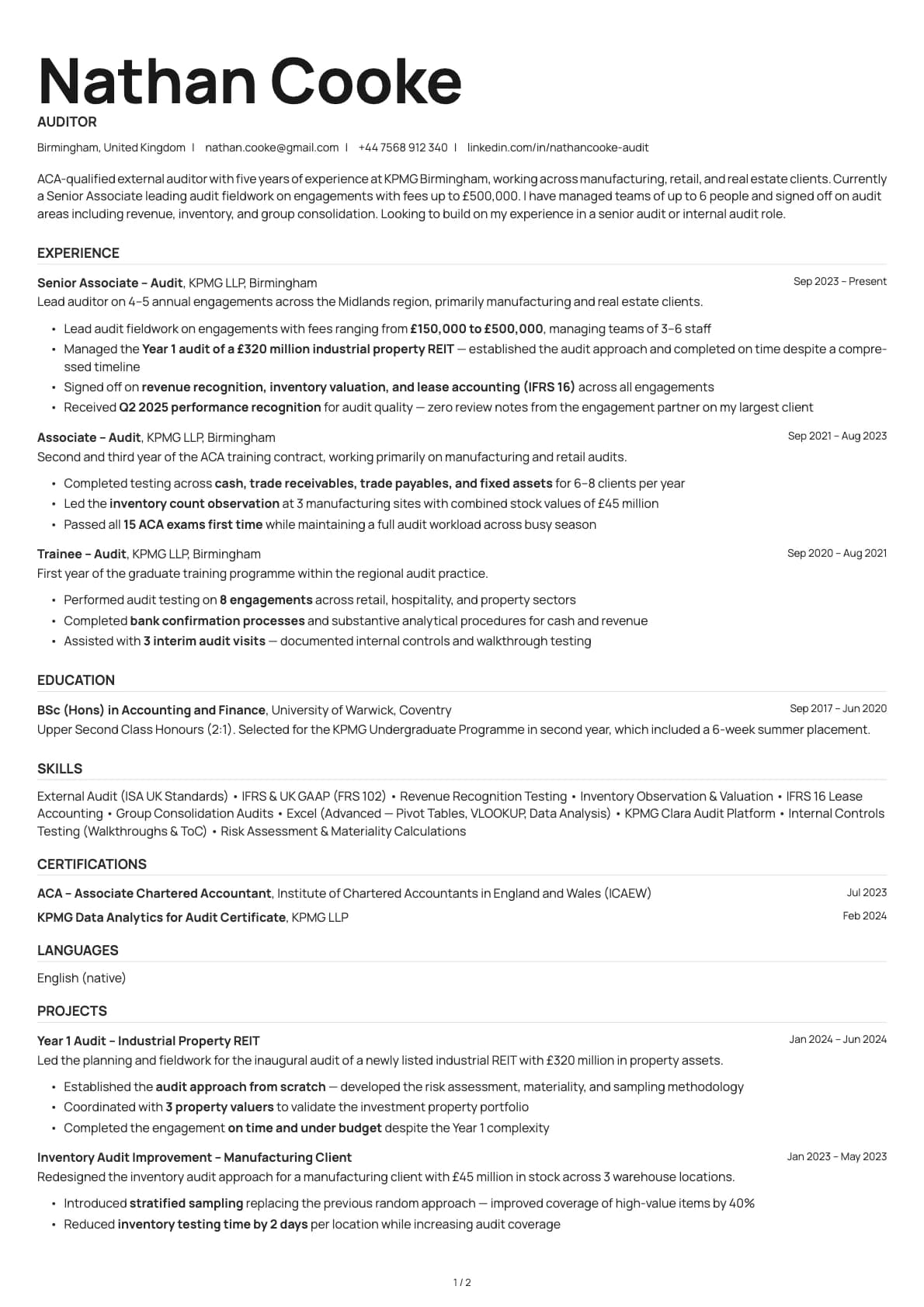
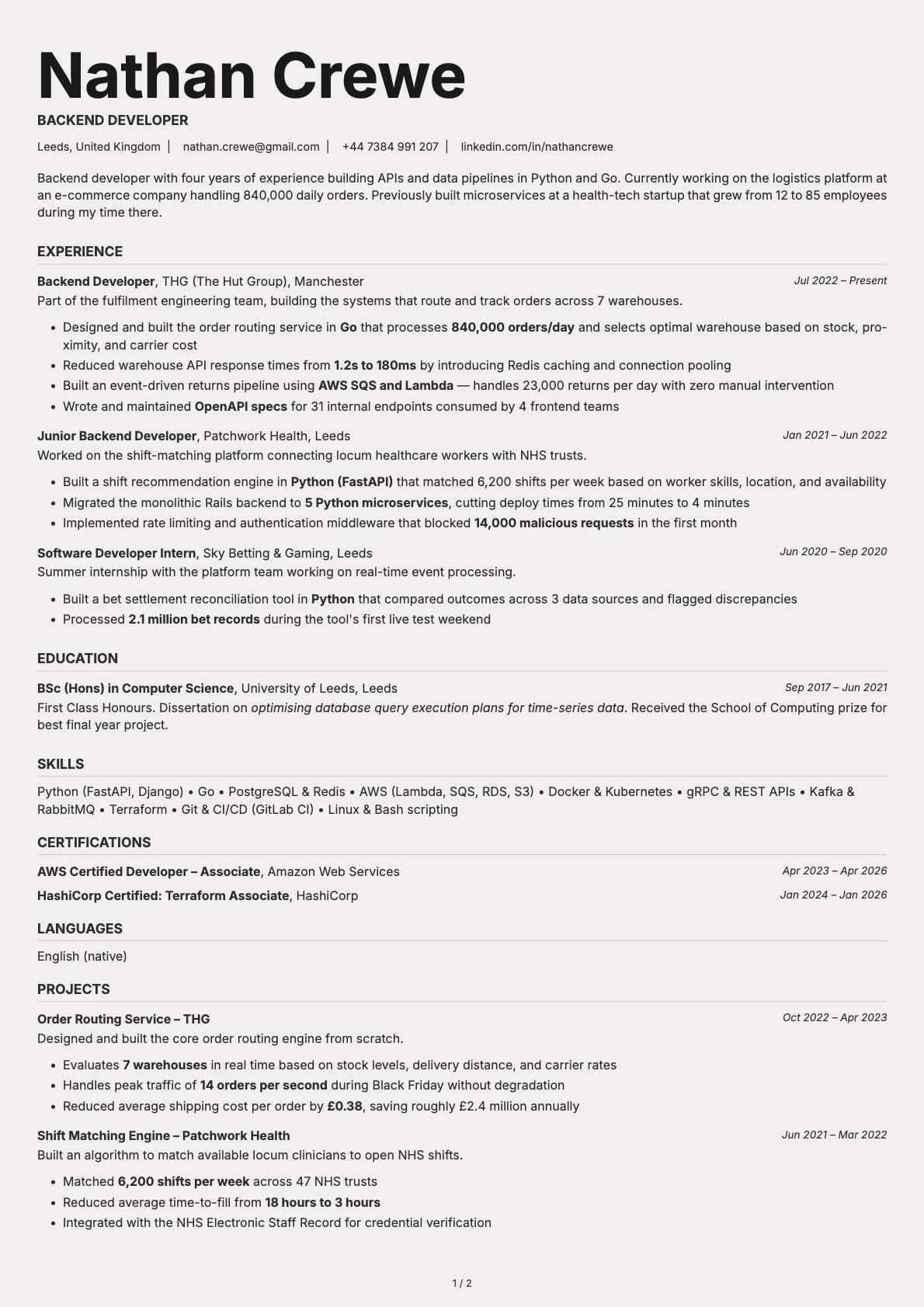
Nobody wants to hear this, but none of the above matters if you don't get the offer in the first place. The negotiation starts way before the offer letter. It starts with your resume making a hiring manager think, "We need this person."
If your resume isn't clearly communicating the kind of impact that justifies top-of-band compensation, you're already negotiating from a weaker position. Laddro helps you build a resume that leads with results, quantifies your contributions, and positions you as someone worth investing in. Because the best salary negotiation strategy? Walking in with proof you're already worth it.
Give Laddro a try. Your next offer might be the one worth fighting for.
Related examples you might find useful:
- Business and finance resume examples
- Technology and engineering resume examples
- Cover letter examples by industry
Land the offer before you negotiate it
Tailor your resume to the role with Laddro so your qualifications are impossible to overlook. When your resume makes the case, the offer reflects it.
Starting from scratch? Build a results-driven resume for free and walk into every negotiation with proof on paper.