The Skills-First Resume: Why Your Degree Alone Won't Cut It Anymore
The hiring world has gone skills-first. Learn how to restructure your resume around what you can actually do, not just where you went to school.

Laddro Team

A question that might sting a little: when was the last time your degree actually came up in a job interview? Not in the "where did you go to school" small-talk way. I mean genuinely mattered to whether you got the job.
For most people, the honest answer is "I can't remember." And there's a reason for that.
The Credential Era Is Fading
Google dropped its degree requirement years ago. So did Apple, IBM, and a growing list of companies that realized something obvious: a diploma tells you someone completed a program. It doesn't tell you they can do the job.
By 2026, this shift has gone mainstream. It's not just tech giants anymore. Banks, healthcare organizations, government agencies, consulting firms. They're all moving toward skills-based hiring. Not because it's trendy, but because it works. Companies that hire for skills over credentials report better retention, more diverse teams, and faster time-to-productivity.
So what does this mean for your resume? Everything.
Your Resume Is Probably Still Structured Backward
Most people write their resume the same way they've been told to since college: education at the top (or near it), work experience listed chronologically, and maybe a skills section crammed at the bottom like an afterthought.
That format made sense when your degree was your golden ticket. It doesn't anymore.
If you're still leading with "Bachelor of Science in Business Administration, State University, 2019," you're opening with your weakest card. That degree got you in the door seven years ago. What have you done since? What can you do right now? That's what employers want to know.
The skills-first resume flips the script. It puts what you can do front and center, backed up by proof that you've actually done it.
How to Build a Skills-First Resume
This isn't about lying or inflating. It's about reorganizing your resume to reflect how hiring actually works now.
Lead with a skills summary. Right under your name and contact info, include a focused section. Call it "Core Skills" or "Key Competencies." List your strongest, most relevant abilities. Not a laundry list of twenty things. Pick six to ten that directly align with the types of roles you're targeting. Mix technical skills and transferable ones. "Financial modeling" next to "cross-functional team leadership." "Python" next to "stakeholder communication."
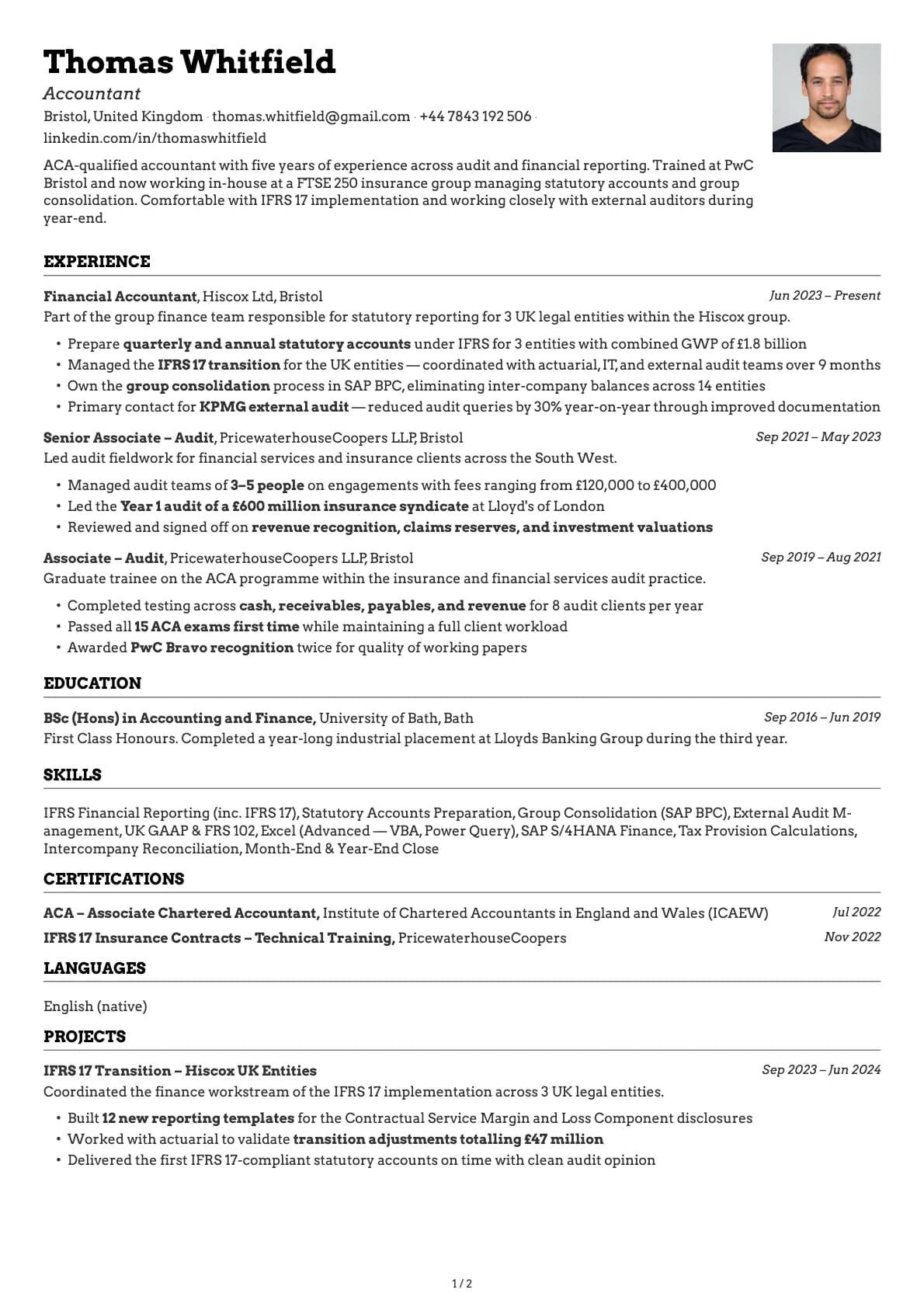
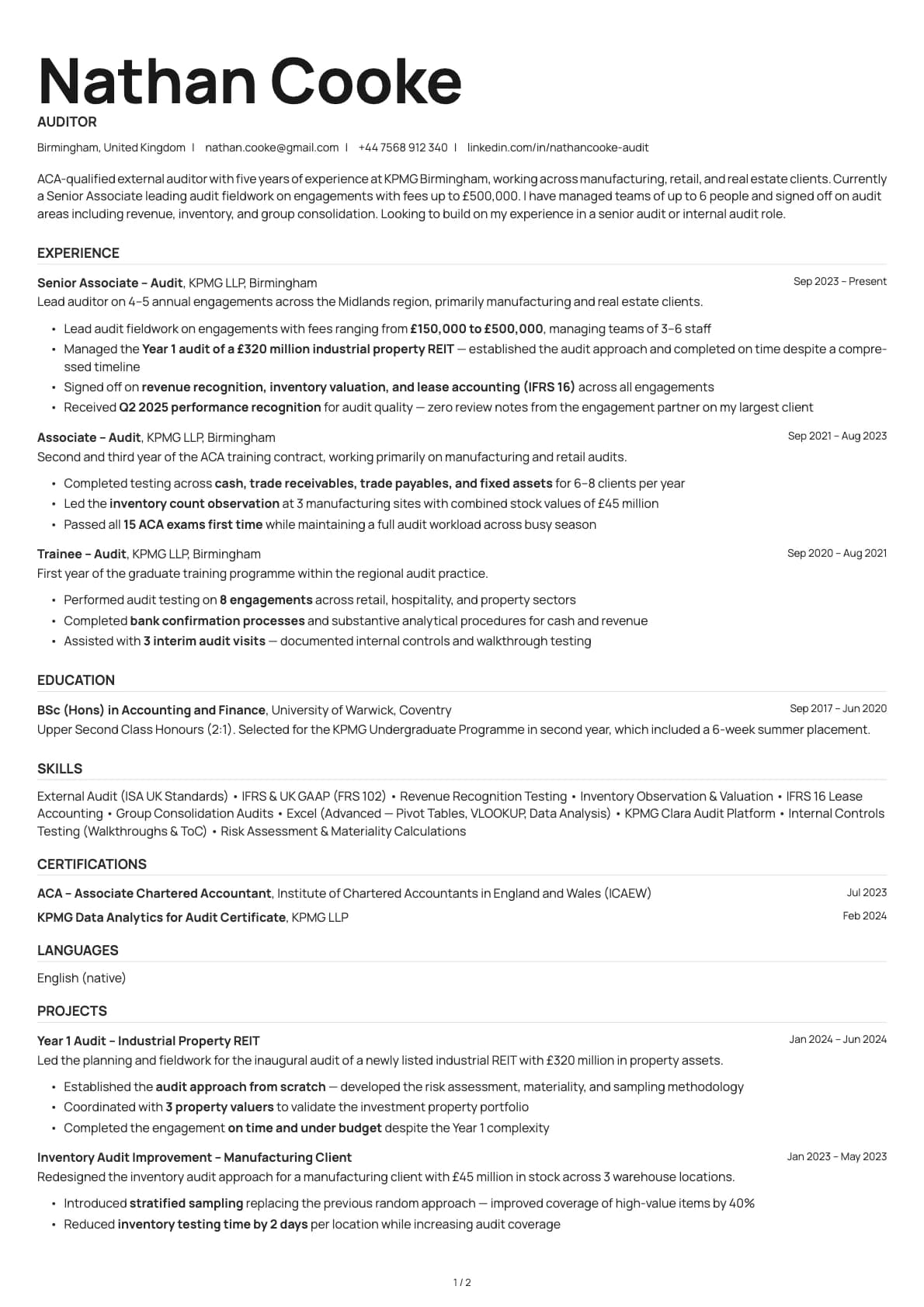
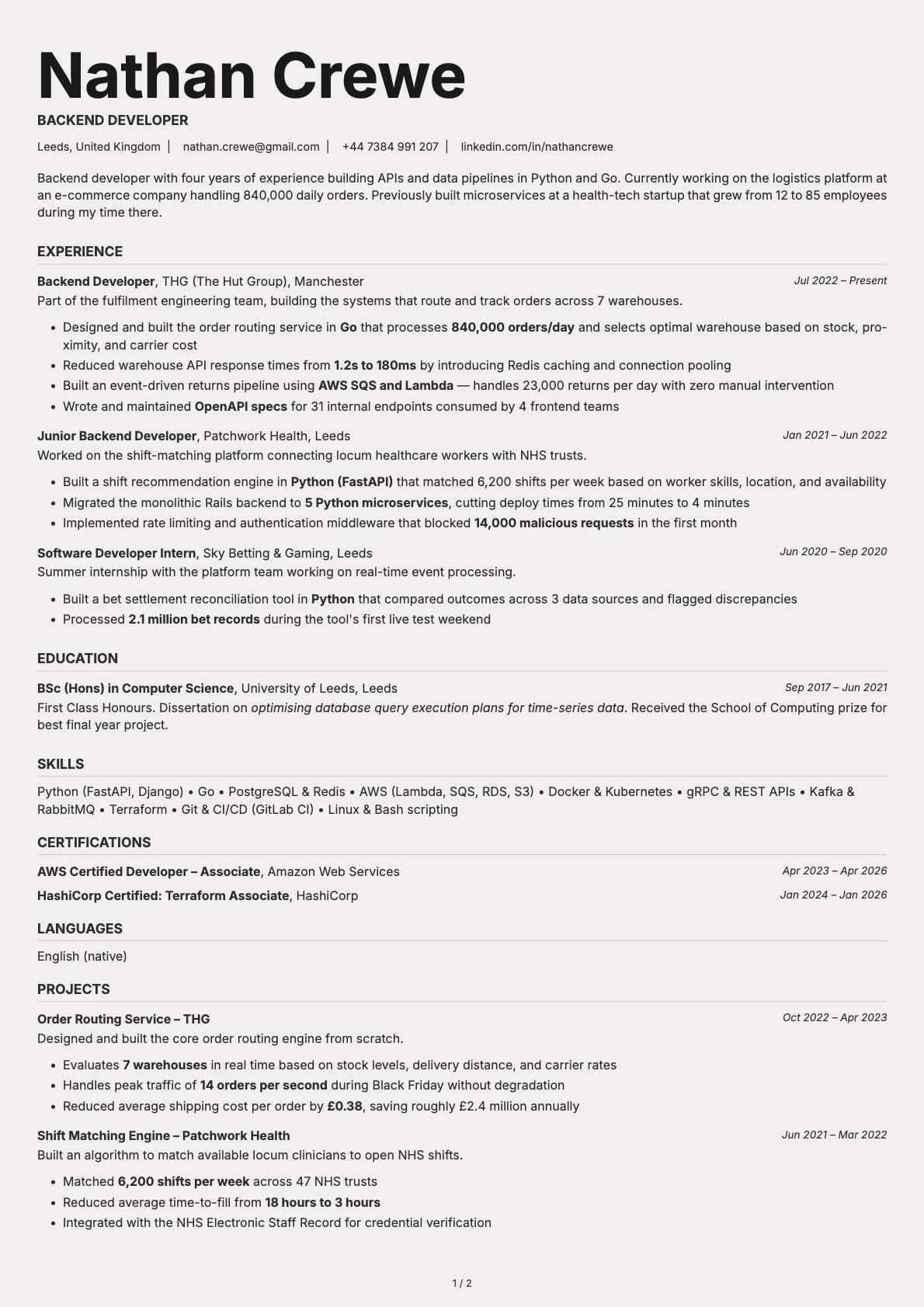
Turn your work experience into a skills showcase. Instead of just listing what your job title was and where you worked, reframe each role around the skills you applied and the results you achieved. Don't say "Responsible for managing client accounts." Say "Managed a portfolio of 35 enterprise accounts ($4.2M ARR), improving retention by 18% through proactive quarterly business reviews." See the difference? One describes a duty. The other demonstrates a skill in action.
Include a portfolio, GitHub, or project links where possible. This is where skills-first hiring really favors people who can show their work. If you're a developer, link your GitHub. If you're a designer, link your portfolio. If you're a marketer, link a case study or campaign you're proud of. Even if you're in a field where portfolios aren't traditional, consider creating a simple page that showcases key projects or results. One more piece of evidence that you can actually do what you claim.
Don't bury your certifications and learning. In a skills-first world, that Google Analytics certification or that AWS Solutions Architect badge might carry more weight than your degree for certain roles. If you've invested in professional development, whether that's courses, certifications, bootcamps, or workshops, give those real estate on your resume. They show you're someone who keeps learning, which is arguably the most important skill of all.
Soft Skills Are Not Optional
I know, I know. "Soft skills" sounds like a corporate buzzword that means nothing. But hear me out.
The reason companies care so much about soft skills now is because the hard skills change constantly. The specific tools and technologies you use today might be obsolete in three years. What doesn't go obsolete is your ability to communicate clearly, collaborate with people who think differently than you, manage your time, adapt to changing priorities, and solve problems creatively.
The challenge is that you can't just write "excellent communicator" on your resume and expect anyone to believe you. You have to demonstrate it.
Every bullet point in your experience section is an opportunity to show soft skills in action. "Led weekly cross-department standups to align engineering and marketing on product launch timeline, resolving three critical blockers before they became delays." That's communication, leadership, and problem-solving all in one sentence. No one needs you to label it.
What If Your Skills Don't Match a Traditional Path?
This is actually where the skills-first approach shines brightest. Career changers, self-taught professionals, people who took unconventional routes. You've always had a harder time with the old credential-based system. A skills-first resume lets you compete on what you know and what you can do, regardless of how you got there.
If you taught yourself data analysis through online courses and freelance projects, that's valid. If you developed project management skills running a nonprofit volunteer program, that counts. The key is framing it correctly, with specific examples, measurable outcomes, and clear connections to the role you want.
Don't apologize for your path. Own it. The best hiring managers are looking for evidence of ability, not a specific pedigree.
What It All Comes Down To
Your degree isn't worthless. Nobody is saying that. But it's one line on a resume that should be filled with evidence of what you can actually do. The companies worth working for have already figured this out. Your resume should reflect that reality.
Stop leading with credentials. Start leading with capability. Be specific, be honest, and let your skills speak louder than any diploma ever could.
Ready to build a resume that actually works in 2026? Try Laddro free and see the difference.
Related examples you might find useful:
- Technology and engineering resume examples
- Business and finance resume examples
- Marketing and communications resume examples
Build a skills-first resume in minutes
Create your resume for free with Laddro. Lead with what you can do, back it up with results, and pick a layout that puts skills front and center.
Not sure how to structure yours? Check out resume examples by industry to see what works in your field.