Resume Builder for Nurses
Build a nursing resume that gets past ATS filters and into the hands of hiring managers.
Why Nurses Need a Resume That Speaks the Language of Healthcare Hiring
Most hospitals and healthcare systems run every application through an Applicant Tracking System before a human ever reads it. That means your nursing resume needs to do two things at once: pass a keyword scan and convince a hiring manager you belong on their floor.
Healthcare recruiters look for very specific terms. Credentialing departments cross-reference license types, certification acronyms, and specialty areas against their open requisitions. If your resume says "certified in life support" instead of "BLS" and "ACLS," the system might not flag you as qualified, even if you have been running codes for a decade.
The stakes are higher in nursing than in most fields. A vague resume does not just cost you an interview. It can delay your credentialing process or put you in a lower pay band because the recruiter could not quickly verify your qualifications.
What Every Nursing Resume Should Include
Licenses and Credentials
List every active license with its full title and number. Include the issuing state and expiration date. If you hold a compact license, note that clearly. Hiring managers in multi-state systems want to see this at a glance.
- RN, LPN, or NP license with state and license number
- Compact/multistate licensure if applicable
- DEA number status for Nurse Practitioners with prescriptive authority
Certifications
Spell out each certification and include the acronym. ATS systems search for both.
- BLS (Basic Life Support)
- ACLS (Advanced Cardiovascular Life Support)
- PALS (Pediatric Advanced Life Support)
- CCRN (Critical Care Registered Nurse)
- Specialty certifications: ONS, CEN, TNCC, or whatever fits your practice area
Clinical Experience with Real Numbers
Generic bullet points like "provided patient care" tell a recruiter nothing. Every nurse provides patient care. What separates you is the specifics.
Instead, write things like:
- "Managed a patient load of 6 to 8 on a 32-bed medical-surgical unit"
- "Administered chemotherapy protocols for an average of 12 oncology patients per shift"
- "Reduced fall rates on the unit by 18% through a bedside rounding initiative"
- "Precepted 4 new graduate nurses over 12 months"
Numbers give hiring managers a sense of scale. They know what a 6:1 ratio on a med-surg floor looks like versus a 2:1 ratio in the ICU.
Clinical Rotations (for New Graduates)
If you are a recent graduate, clinical rotations are your experience section. List the facility, unit type, number of hours, and the key skills you practiced. Do not bury this information under your education. Give it its own section so recruiters can find it fast.
Specialties and Skills
Group your clinical skills by category. Think about what a unit manager searches for when filling a specific role:
- Technical skills: IV insertion, ventilator management, wound care, telemetry monitoring, EHR documentation (Epic, Cerner, Meditech)
- Patient populations: pediatric, geriatric, maternal, psychiatric, oncology
- Procedures: catheter insertion, tracheostomy care, blood product administration, medication reconciliation
Common Mistakes on Nursing Resumes
Not listing license numbers. Some nurses worry about privacy, but credentialing teams expect to see license numbers. Without them, your application goes into a pile that requires follow-up, which slows everything down.
Using generic language. "Responsible for patient care" could describe any role in a hospital, including a volunteer. Be specific about what you did, how many patients you served, and what outcomes you influenced.
Ignoring ATS formatting. Fancy columns, tables, and text boxes look nice on paper but break apart in most ATS platforms. Stick to clean, single-column layouts with standard section headers like "Experience," "Education," and "Certifications."
Leaving out EHR experience. If you have used Epic, Cerner, Meditech, or another electronic health records system, say so. Hospitals invest millions in these platforms, and they want nurses who can hit the ground running without weeks of system training.
Skipping continuing education. CEUs and professional development hours show you are keeping your skills current. List relevant courses, especially if they align with the role you are targeting.
How Laddro Helps You Build a Stronger Nursing Resume
Building a resume from scratch takes time you probably do not have between shifts. Laddro's resume builder is designed to speed up the process without cutting corners.
ATS-tested templates. Every template in Laddro has been tested against major ATS platforms used in healthcare hiring. Your formatting will not break when the system parses it.
Healthcare-specific keyword suggestions. Laddro's AI reviews your content and suggests clinical terms, certification acronyms, and specialty keywords that match what healthcare recruiters search for. If you wrote "life support certified" it will nudge you toward "BLS/ACLS certified" so the ATS picks it up.
Clean, professional layouts. Nursing resumes do not need to be flashy. They need to be scannable. Laddro's resume templates give you a polished look with clear section breaks that work on screen and on paper.
Easy to update. Picked up a new certification? Changed units? You can log in and update your resume in minutes, then export a fresh PDF for your next application.
Formatting Tips for Nursing Resumes
Keep your resume to one page if you have fewer than 10 years of experience. Two pages are fine for seasoned nurses with multiple specialties, certifications, and leadership roles.
Use reverse chronological order. Start with your most recent position and work backward. Healthcare recruiters want to see where you are now and what you have been doing lately.
Put your licenses and certifications near the top. For nursing roles, credentials matter more than a summary statement. Lead with the information that gets you credentialed, then tell the story of your career.
Ready to Build Your Nursing Resume?
Stop staring at a blank document between shifts. Start building your nursing resume with Laddro using templates that are tested, formatted, and designed for healthcare hiring.
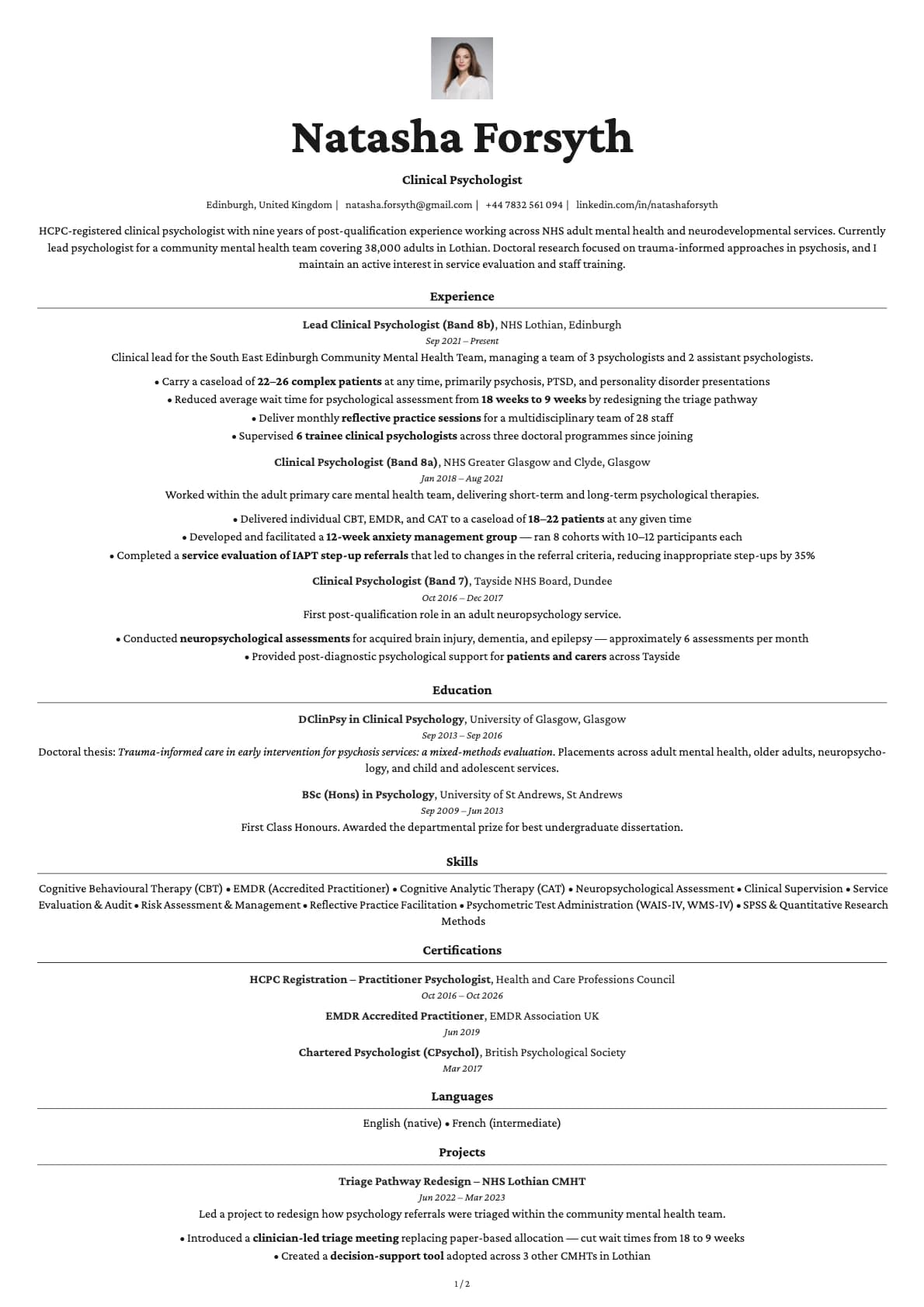
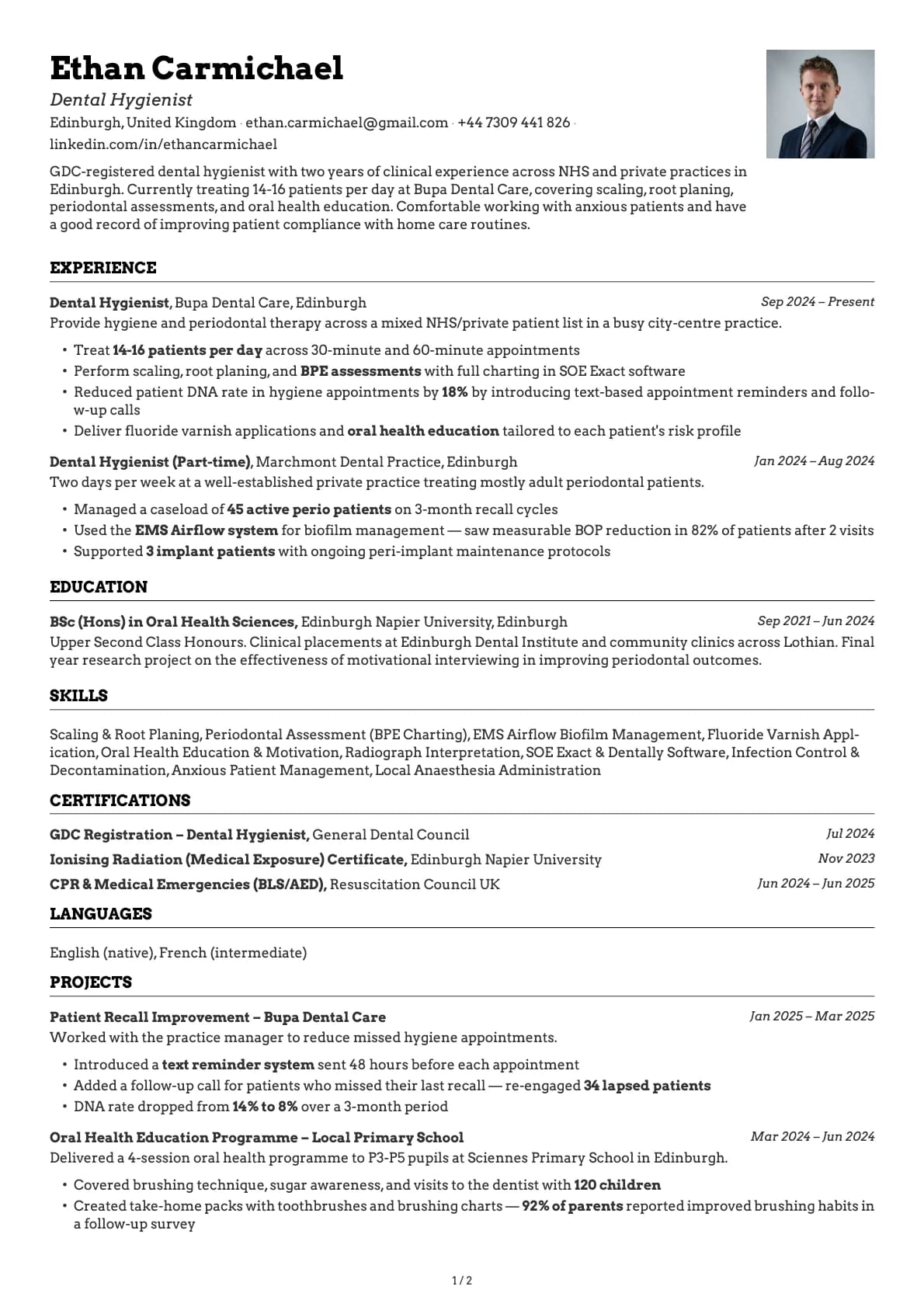
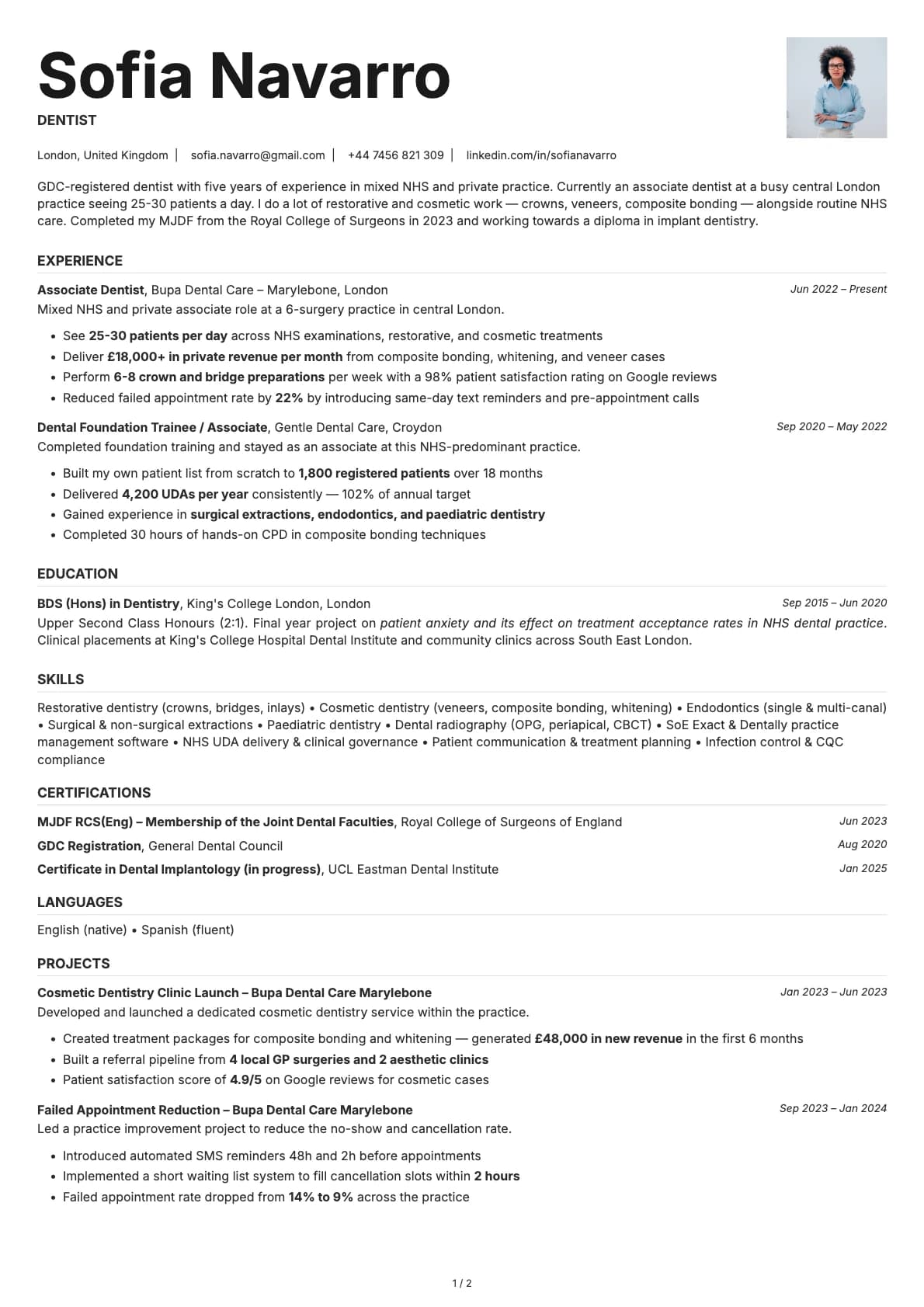
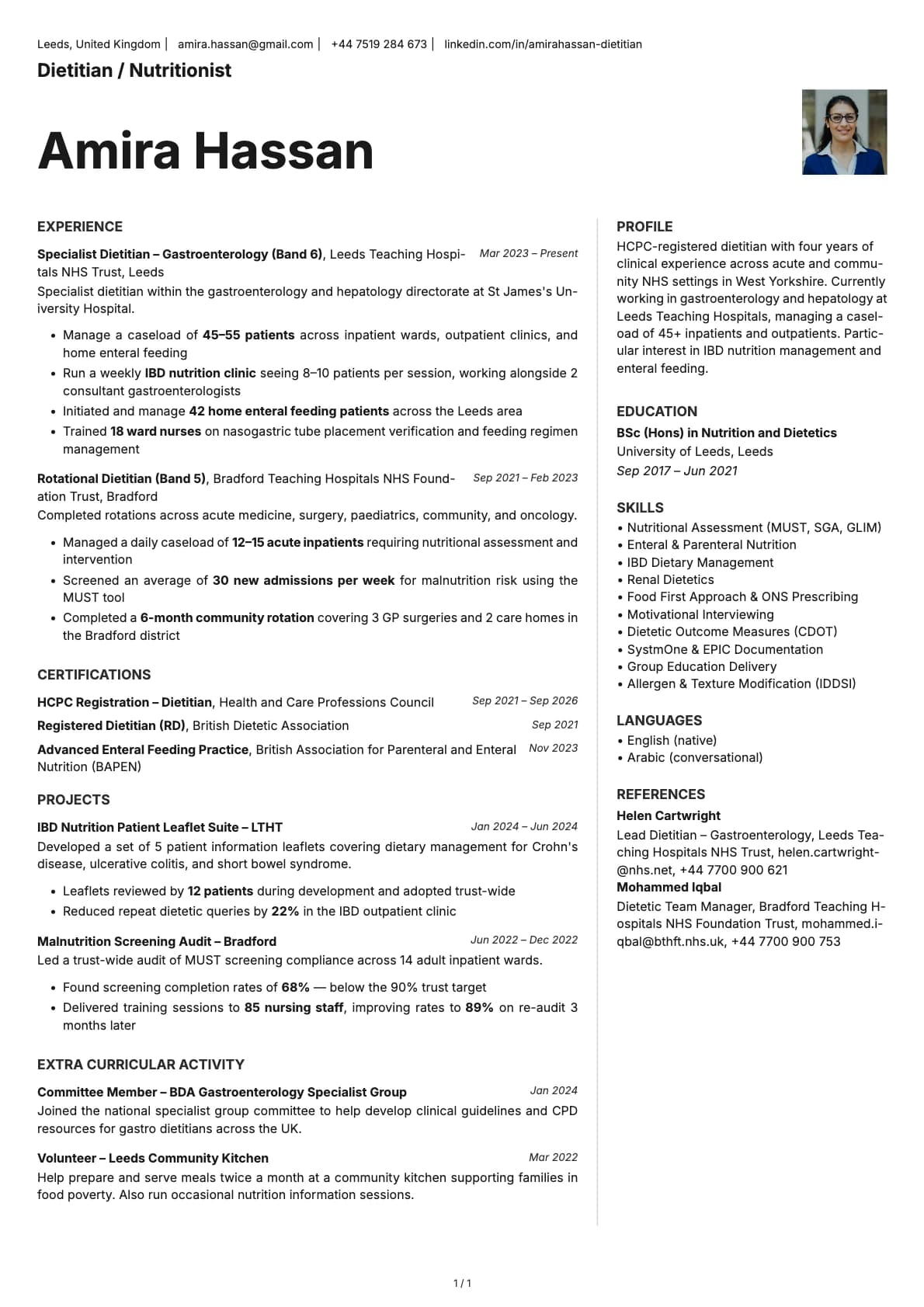
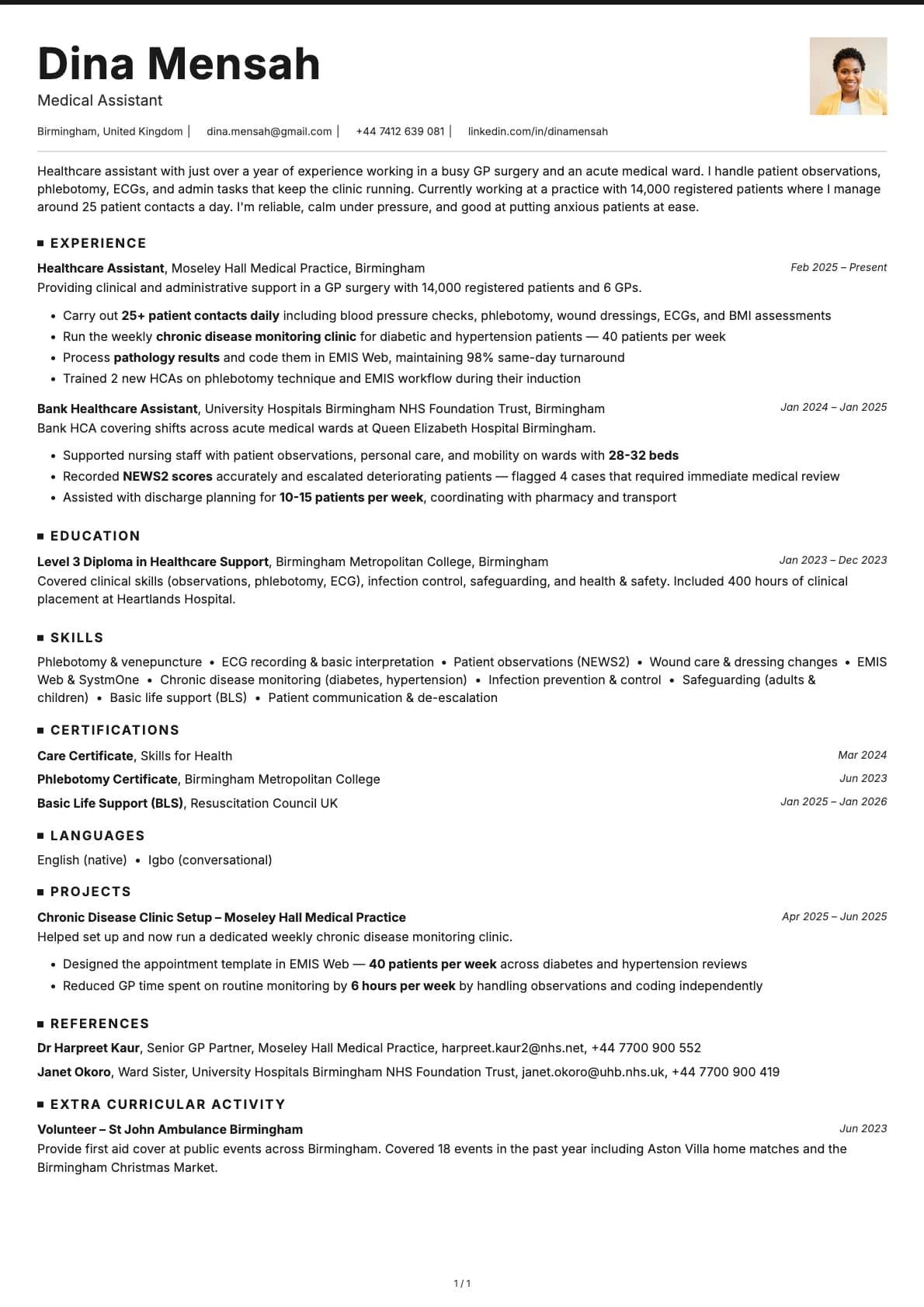
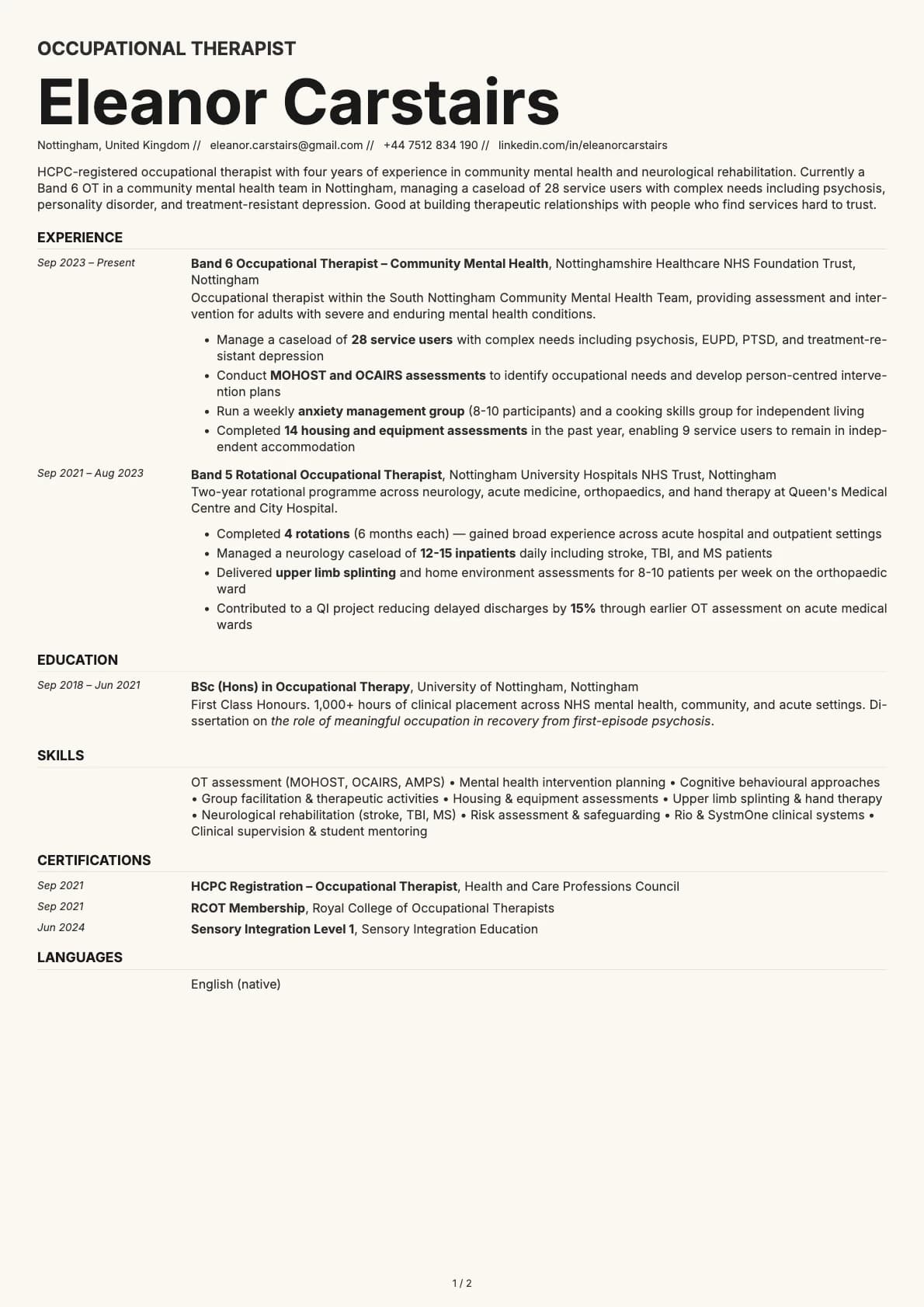
Looking for inspiration? Browse real healthcare and medical resume examples to see how other nurses have structured their experience, certifications, and clinical skills.